

Cucumber price
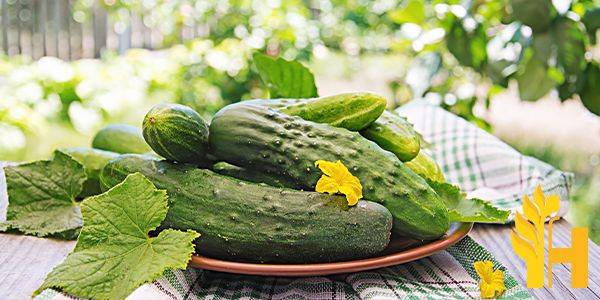
Where to buy and sell Cucumber, lowest (cheapest) and highest price.
check offers buy sell CucumberToday price for CucumberCucumber wholesale prices 2022
The Current commodity price of Cucumber per kg, pound in the world in the global markets
cucumber 1 kg
cucumber bag and box catty
cucumber (box)
cucumber english each
cucumber english large x15 box
cucumber fresh english multipack
cucumber (hybrid)
cucumber (kerala)
Cucumber Kisumu 500grams
cucumber (local)
Cucumber Local 500grams
cucumber (out of state)
cucumber (punnet pack)
English cucumber 500grams
fermented cucumbers 9-12cm bucket 850g pickles
fermented cucumbers bucket 10kg kapp
cucumber (hybrid)
cucumber (local)
cucumber (hybrid)
cucumber (local)
cucumber class I pack 24kg Sinaloa
cucumber France cat.I 400-500g pack 12 (12pcs)
Cucumber agricultural Statistics
What is a Cucumber?
Cucumber (Cucumis sativus) is a popular green vegetable from the gourd family (Cucurbitaceae, which also includes pumpkins, melons, and squash), widely cultivated and consumed around the world. Known for its crisp texture and high water content, cucumber is enjoyed fresh in salads and sandwiches and is often pickled to produce gherkins. This elongated vegetable originated in South Asia but is now grown globally, making it one of the most widely produced vegetables. Cucumbers are valued for their refreshing taste, hydrating qualities, and versatility in the kitchen. Today it is a dietary staple in many cultures and also an important commodity in international vegetable markets.
Global Production Trends and Leading Producers
The global production of cucumbers has expanded dramatically over the past several decades, making cucumber cultivation a major segment of the vegetable industry. From small-scale local farming in the mid-20th century, cucumber production has evolved into a massive global enterprise driven by technological advances and rising demand. Understanding where and how cucumbers are grown is key to grasping the dynamics of the cucumber market.
Historical Growth in Production Volume
Worldwide cucumber output has increased more than tenfold since the 1950s. In the mid-1960s, global production of cucumbers and gherkins was around 9 to 10 million metric tons per year. By the early 2020s, annual production had surged to nearly 95 million metric tons. This explosive growth reflects both a larger world population and significantly higher yields per hectare. Modern farming techniques, improved hybrid varieties, and the expansion of greenhouse cultivation have all contributed to making cucumbers far more productive than in the past. For example, average cucumber yields worldwide roughly doubled from around 18–20 tons per hectare in 2000 to over 40 tons per hectare in recent years, with top-performing greenhouse operations achieving even higher outputs.
As a result of these improvements, cucumbers have become one of the top three most-produced vegetables globally (alongside tomatoes and onions). What was once primarily a seasonal garden vegetable is now grown year-round in many regions, often in climate-controlled greenhouses. This ensures a continuous supply to meet the global market’s needs, even during colder months or in traditionally off-season periods.
Top Producing Countries and Regions
Cucumber production is highly concentrated in Asia, particularly in China. China is by far the world’s largest cucumber producer, accounting for roughly 80% of global output on its own. In 2022, China grew over 77 million metric tons of cucumbers – an astonishing volume that dwarfs production in any other single country. This dominance is fueled by China’s vast area dedicated to cucumber cultivation, extensive use of protected growing systems (greenhouses and plastic tunnels), and strong domestic demand that incentivizes large-scale production.
After China, the next leading producers are a distant second. Countries like Turkey (around 1.9 million tons annually), Russia (about 1.6 million tons), Mexico (approximately 1.0 million tons), and Uzbekistan (just under 1.0 million tons) rank among the top contributors. These nations benefit from suitable climates or robust greenhouse industries and often have growing domestic markets or export opportunities in neighboring regions. Outside of Asia, cucumber production in Europe and North America is smaller in scale but still significant. The entire European Union, for instance, produces on the order of 2.5–3 million metric tons of cucumbers per year, with key producers including Spain, Poland, the Netherlands, Germany, and Greece. Spain leads in Europe – producing roughly 0.7–0.8 million tons in recent years (primarily in its southern regions like Almería) – while Poland and the Netherlands each produce a few hundred thousand tons annually. Notably, cucumber acreage in parts of Europe has declined in recent years due to high labor costs and competition from imports; however, improved yields and greenhouse adoption have helped maintain output levels despite reduced planting area. North America’s output is led by the United States (around 0.5–0.6 million tons) along with Mexico’s substantial production noted above.
In other parts of the world, countries such as Egypt, Iran, Japan, Ukraine, and Kazakhstan each contribute several hundred thousand tons to annual cucumber supply. Some African growers, such as in Morocco and South Africa, are also expanding cucumber production (often under greenhouse conditions) to meet local demand and export opportunities, though these expansions occasionally result in oversupply and price pressures in their domestic markets. Overall, the top 10 cucumber-producing countries account for over 90% of the world’s supply. This concentration means that trends or disruptions in those leading producer nations – whether from policy changes, economic shifts, or climate events – can have outsized effects on the global cucumber market.
Global Consumption and Uses of Cucumbers
The demand for cucumbers has kept pace with the rise in production, as this vegetable holds an important place in diets worldwide. Global cucumber consumption is now nearly equal to production levels, reaching roughly 95–100 million metric tons annually in recent years. Consumption has been growing steadily (around 2–3% per year over the last decade), driven by population growth and increasing awareness of healthy eating. However, consumption patterns vary by region due to cultural preferences and seasonal availability. Understanding how cucumbers are consumed and utilized — both fresh and processed — provides insight into the current market and future demand.
Fresh Consumption Patterns
Fresh cucumbers are a staple ingredient in many cuisines. They are commonly eaten raw in salads, sliced onto sandwiches, or used as a refreshing garnish. In parts of Asia and the Middle East, cucumbers are enjoyed with nearly every meal (for example, in salads like Greek tzatziki or Indian raita), reflecting high per-capita consumption. Eastern European countries also have long traditions of eating fresh cucumbers, particularly in summer dishes. By contrast, in some Western countries cucumbers might be eaten less frequently, but rising health consciousness is boosting their popularity. Overall, the regions with the highest cucumber consumption mirror the top producers. China, with its massive population and culinary use of cucumbers, is the largest consumer by far — consuming over four-fifths of all cucumbers produced (tens of millions of tons each year are eaten within China alone). Other significant cucumber-consuming nations include Turkey, the United States, and Russia, each of which consumes on the order of 1.5 to 2 million tons per year.
In countries where raw vegetables are a large part of the diet, cucumbers contribute substantially to daily vegetable intake. Their high water content and mild flavor make them especially popular during hot seasons, as they help with hydration and provide a cooling effect. Nutritionally, cucumbers are about 95% water and supply vitamins (like vitamin K) and antioxidants. This profile makes them an attractive choice for health-conscious individuals, fitting well into weight-loss diets and hydration routines. Notably, social media trends and diet fads have also played a role in fresh cucumber consumption recently — for instance, online “cucumber challenge” videos and health influencers touting cucumber’s benefits have spiked interest in incorporating more of this low-calorie vegetable into snacks and salads.
Processed and Industrial Uses
Beyond being eaten fresh, cucumbers have a significant presence in processed forms and other industries. The most common processed product is the pickled cucumber. Small cucumbers (often called gherkins) are brined or vinegar-pickled to create pickles, which are staples in many countries. Pickled cucumbers are used as condiments (for example, on burgers and sandwiches) and as side dishes; in the United States and much of Europe, dill pickles and other varieties are consumed in large quantities. This has given rise to a robust pickling industry: many countries that grow cucumbers also process a portion of the crop into jarred pickles for domestic use or export. Countries like India, Turkey, and Vietnam have become major suppliers of pickled gherkins to global markets, catering especially to European demand.
Cucumbers also find uses beyond direct food consumption. The cosmetic and wellness industry utilizes cucumber extracts and oils in products such as lotions, face masks, and eye creams, capitalizing on the fruit’s hydrating and soothing properties. “Cucumber water” and juices are popular in the health beverage market, where cucumber’s clean, refreshing flavor is sought after for detox drinks and flavored waters. Although these non-culinary uses represent a smaller share of total cucumber demand, they add value to the crop by diversifying its applications. In summary, whether consumed fresh, pickled, or used as an ingredient in other products, cucumbers serve a wide range of purposes. This versatility helps sustain global demand and makes cucumbers a reliable commodity for growers, as they can be marketed in multiple forms across different industries.
Cucumber Prices and Market Trends
Cucumber prices have historically been relatively modest, reflecting the crop’s abundance and the efficiency gains in production over time. In the mid-20th century, cucumbers were mostly consumed locally and seasonally, which meant prices could vary widely between peak harvest season and the off-season. As globalization and greenhouse farming expanded, cucumbers became available year-round in many markets, helping to stabilize supply. Over the long term, when adjusted for inflation, the average cost of cucumbers to consumers has not risen dramatically — if anything, improved yields and logistics have kept prices affordable for most of the past few decades. However, this overall stability masks considerable short-term volatility. Because cucumbers are perishable and expensive to store for long periods, their prices are highly sensitive to immediate supply and demand conditions. For instance, greenhouse-grown seedless cucumbers often fetch significantly higher prices than field-grown slicing cucumbers due to differences in production cost and quality; a long English cucumber produced in a high-tech greenhouse can retail for twice the price of a traditional open-field cucumber. Farmers and traders still experience sharp price swings from season to season and year to year based on various factors.
Key Factors Influencing Cucumber Prices
- Seasonality: Cucumbers are harvested in greatest volume during warmer months. In peak season, local markets are flooded with supply, often pushing prices down. Conversely, in winter or off-season periods, countries that cannot grow cucumbers outdoors must rely on imports or greenhouse production, leading to higher prices.
- Weather and Climate: Weather extremes can greatly affect cucumber yields. A heatwave, cold spell, or excessive rain at the wrong time can reduce output. For example, an unusually cold spring in a key producing region like Spain can almost completely halt crop growth and create shortages, driving prices up in supermarkets elsewhere.
- Production Costs: The cost of inputs — especially energy, labor, and fertilizer — plays a big role in pricing. Cucumbers grown in heated greenhouses have higher production costs; if fuel or electricity prices rise (as seen during the 2021–2022 energy crisis), the break-even price for growers climbs, resulting in more expensive cucumbers at market. Similarly, rising labor costs or shortages of farm workers can push up harvesting expenses.
- Supply Chain and Trade: Since only a small fraction of cucumbers are traded internationally, local supply chain issues can cause regional price differences. Transportation costs (shipping, trucking) influence the final price, especially for long-distance shipments of fresh cucumbers. Trade policies or disruptions can also matter — for instance, import restrictions or tariffs might limit supply to a market, and geopolitical conflicts can disrupt transport routes or access to markets (for instance, sanctions or conflicts might cut off a major importer from a key exporter, or a policy change like Brexit can introduce new logistics hurdles). Heavy dependence on a single foreign supplier (like Mexico for the US, or Turkey for parts of Europe) carries risk; if diplomatic relations sour or policies change, import-reliant countries might face supply challenges.
- Demand Fluctuations: Changes in consumer demand, while usually gradual, can influence prices. Sudden increases in demand — perhaps due to a diet trend or a major event (e.g., a health campaign emphasizing vegetables) — may temporarily raise prices if supply doesn’t immediately catch up. On the other hand, if consumer preferences shift away or there is negative publicity about a product (for example, a food safety concern), demand can dip and prices may fall until confidence is restored.
Recent Price Fluctuations and Market Developments
In the last few years, cucumber markets worldwide have experienced both price surges and depressions, illustrating the impact of the above factors. One notable example was the spike in cucumber prices across Europe in early 2023: a combination of high energy costs and unusual weather led to a shortage of winter cucumbers. Many greenhouse growers in Northern Europe had reduced planting due to skyrocketing heating costs (natural gas prices were extremely high in 2022), while at the same time cold weather in Spain and North Africa hurt the outdoor cucumber harvests that normally supply Europe’s winter demand. This double effect left supermarket shelves in the UK, Germany, and other countries understocked, and consumers saw prices for the remaining cucumbers double or even triple in some cases. Such instances highlight how fragile the supply can be when multiple factors coincide.
By mid-2024 into 2025, conditions had shifted again. As energy prices stabilized and production recovered, markets saw an oversupply of cucumbers in certain regions, which pushed prices back down. For example, reports from growers in parts of Europe noted that wholesale cucumber prices in summer 2024 fell to exceptionally low levels (in some cases under €0.30 per kg) due to bumper crops and stiff competition among suppliers. In other areas, however, persistent inflation in input costs kept prices higher year-on-year. Broadly, the trend from 2022 to 2025 was an upward drift in average prices: many consumers around the world faced noticeably higher retail prices for cucumbers compared to a few years prior. Estimates suggest that between 2021 and 2025, retail cucumber prices rose by 10% to 40% in various markets, reflecting increased costs of production and distribution.
These market developments underscore that while cucumbers remain generally affordable, producers and buyers must stay vigilant about volatility. Weather events, cost changes, and supply chain disruptions can rapidly alter price levels. For fruit traders and agricultural investors, closely monitoring these trends is crucial. The cucumber market, much like other fresh produce markets, can move quickly — rewarding those who anticipate changes and posing risks to those unprepared for sudden shifts in price.
Global Trade: Exports and Imports of Cucumbers
Compared to total production, the international trade of fresh cucumbers is relatively limited. Because cucumbers are perishable and bulky with high water content, most countries consume the majority of what they grow, and only a small percentage of the world’s cucumber harvest enters global commerce. Nevertheless, trade volumes have been rising over time as improvements in transportation and storage, as well as year-round demand from consumers, encourage more cross-border shipments. In the early 2000s, roughly 1–2 million tons of cucumbers were traded annually; by the late 2010s and early 2020s, global cucumber exports exceeded 3 million tons per year. This is still only around 3–5% of worldwide production, but it represents an important market segment for producing countries that have a surplus or seasonal advantage. Below we look at which countries are the major exporters and importers of cucumbers in today’s market.
Major Exporting Countries
The world’s leading cucumber exporter by volume is Mexico. Mexico benefits from a warm climate that allows nearly year-round field production and a strategic location next to the United States, the largest import market for fresh cucumbers. Each year, Mexico ships hundreds of thousands of tons of fresh cucumbers northward, supplying an estimated 60–70% of all cucumbers consumed in the U.S. market. In addition to Mexico, Spain and the Netherlands are top exporters, particularly within Europe. Spain’s cucumber growers (especially in regions like Andalusia) produce a surplus that is exported across the European Union, mainly to countries like Germany, France, and the UK. The Netherlands, despite its smaller production volume, has a high-tech greenhouse sector focused on export markets; Dutch growers supply cucumbers to neighboring countries, leveraging advanced packing and distribution networks.
Turkey has also emerged as a major cucumber exporting nation in recent years. With sizable production and proximity to both Europe and the Middle East, Turkey exports large quantities of cucumbers to EU countries (it has even surpassed Spain in export value to Europe in 2023) as well as to partners in West Asia. Other notable cucumber exporters include Iran and China’s neighbor countries in Central Asia: for example, Iran historically shipped cucumbers to markets like Russia and the Gulf states, while countries such as Uzbekistan export regionally within Central Asia. It is worth noting that China – despite being by far the largest producer – exports only a very small fraction of its crop, as nearly all Chinese production is consumed domestically. Instead, China’s impact on global trade is indirect: by largely staying out of the export market, it leaves room for other countries to supply the international demand.
Beyond fresh cucumbers, there is also a significant export industry for processed cucumber products, especially pickled gherkins. Here, countries like India and Turkey are prominent suppliers. India, for example, grows cucumbers specifically for pickling (exporting well over 150,000 tons of processed gherkins annually) and has become the world’s leading exporter of prepared cucumbers and gherkins, catering to brands and distributors in North America and Europe. Turkey likewise exports both fresh cucumbers and processed pickles, taking advantage of its extensive cultivation and processing facilities. These export activities in the processed segment provide additional income streams for cucumber-producing countries.
Major Importing Countries
The largest importers of fresh cucumbers are generally countries with high consumption but insufficient year-round production. The United States stands out as the world’s biggest cucumber importer. American demand for fresh cucumbers (for salads, pickles, and retail sale) increasingly exceeds what domestic farmers supply, especially during the winter. As a result, the U.S. now sources a majority of its fresh cucumbers from imports, primarily from Mexico (and to a lesser extent Canada). In fact, U.S. domestic fresh cucumber production has sharply declined in the face of cheaper imports – between 2000 and 2020, U.S. production dropped by over 70%, while imports nearly tripled to fill the gap. This trend underlines how trade agreements and low-cost foreign producers have reshaped the market in favor of imports.
In Europe, the import picture is somewhat more complex because of significant intra-European trade. Germany is one of the top cucumber importers by volume, as it buys large quantities of cucumbers from Spain, the Netherlands, and Turkey to meet consumer demand. Other EU countries like the United Kingdom, France, and the Netherlands (which also re-exports) are also major importers when domestic supply is out of season. Russia has been another significant cucumber importer, traditionally purchasing from nearby countries such as Iran, China, and Turkey to supplement its own production. Middle Eastern markets like Iraq and Saudi Arabia import cucumbers as well, typically from neighboring producers due to water and climate constraints in growing their own.
When it comes to pickled and preserved cucumbers, the import leaders include many of the same developed markets. The United States and European Union nations import considerable volumes of jarred pickles and brined gherkins. Germany, for instance, imports a lot of vinegar-preserved cucumbers to satisfy its domestic pickle consumption, with suppliers including India, Turkey, and Eastern European countries. Overall, global imports of cucumbers (fresh and processed combined) have been on a growth trend, reflecting an increasingly interconnected market. Consumers in many countries can now enjoy cucumbers year-round largely thanks to these international trade flows, which link surplus producers with deficit markets across the globe.
Cucumber Varieties and Cultivation Techniques
The cucumber is a versatile crop cultivated using a range of farming techniques and available in numerous varieties tailored to different purposes. Over time, farmers and breeders have developed specialized cucumber types and improved cultivation methods to increase yield, resist diseases, and meet market preferences. In this section, we explore some of the common cucumber varieties and the modern technologies employed in cucumber farming.
Popular Cucumber Varieties
- Slicing Cucumbers (Field Varieties): These are the classic cucumbers sold for fresh eating, typically 15–20 cm (6–8 inches) long with a thick green skin. They are often grown in open fields. Examples include traditional varieties like Marketmore, known for its reliability and crisp flesh. Slicing cucumbers are bred for flavor and productivity and are commonly used in salads, sandwiches, and general fresh consumption.
- English or Greenhouse Cucumbers: Also called European cucumbers, these are long (30+ cm), uniformly cylindrical, and usually seedless or nearly seedless. They have thin, delicate skin and are often sold wrapped in plastic to prevent moisture loss. Greenhouse varieties (such as the Telegraph type) are parthenocarpic (able to fruit without pollination), which is ideal for indoor cultivation where insects are scarce. These cucumbers are grown in high-tech greenhouses and are prized in markets for their sweet taste and lack of bitterness.
- Pickling Cucumbers (Gherkins): Pickling varieties are shorter (5–10 cm, or 2–4 inches), with bumpy skin and firm texture. They are cultivated primarily to be processed into pickles. Varieties like National Pickling or Kirby cucumbers stay crisp and absorb flavors well when brined. Farmers often harvest these in bulk when the fruits are still small and firm. Their tough skin and crunchy flesh make them ideal for fermentation and preservation in jars.
- Mini and Specialty Cucumbers: In recent years, smaller “snack” cucumbers and unique heirloom types have grown in popularity. Mini cucumbers (such as Persian or Lebanese cucumbers) are typically 10–15 cm long, thin-skinned, and very crisp, making them perfect for eating whole as a snack or for dipping. There are also exotic varieties like yellow or white-skinned cucumbers and curly heirloom types (e.g., the Armenian cucumber, which is actually a close relative) that cater to niche markets and gourmet cooking. These specialty cucumbers often have distinct flavors or textures and can command premium prices at farmers’ markets and upscale grocery stores.
Modern Cultivation Techniques
Advancements in agriculture have significantly improved how cucumbers are grown, leading to higher yields and more reliable production. One major development is the widespread use of greenhouse cultivation and other protected environments. Greenhouses, polytunnels, and shade nets allow growers to control temperature, humidity, and pests, creating optimal conditions for cucumber plants. In countries like the Netherlands and Canada, high-tech greenhouses use hydroponics (soilless growing systems) and climate control to produce cucumbers year-round. These systems deliver water and nutrients directly to the plant roots and often use sensors and automation to monitor plant health. The result is extremely high productivity – top greenhouse operations can produce upwards of 60–70 kilograms of cucumbers per square meter of growing area over multiple crop cycles, far exceeding typical open-field yields. In fact, the highest cucumber yields in the world are achieved in Europe’s advanced greenhouse operations – several countries average over 170 tons per hectare, compared to a global average closer to 30 tons/ha – highlighting what controlled environments can accomplish.
Open-field cucumber farming has also benefitted from innovation. The use of plastic mulch and drip irrigation helps conserve water and suppress weeds around cucumber vines. Farmers in many regions use low tunnels (small temporary greenhouse structures) or row covers to protect young cucumber plants from cold snaps and pests early in the season, thereby extending the growing season. Improved mechanization has been introduced particularly for pickling cucumber production: in some commercial farms, machines can harvest large numbers of small cucumbers for processing, reducing labor costs. However, fresh market cucumbers often still require hand harvesting to avoid damage.
Breeding and biotechnology continue to play a critical role in cucumber cultivation. Modern hybrid cucumber seeds are bred for traits like disease resistance (for example, resistance to powdery mildew or mosaic virus), higher female flower production (to increase fruit count), and specific plant habits suited to either field or greenhouse. Parthenocarpic hybrids, which do not require pollination to set fruit, have become standard in greenhouse production – this ensures seedless cucumbers and eliminates dependency on bee activity inside controlled environments. Grafting technology is another innovation used in greenhouse cucumber cultivation: growers graft cucumber plants onto hardy rootstocks (often from squash species) to improve disease resistance and vigor of the plants.
Additionally, sustainable and precision agriculture practices are being adopted in cucumber farming. Integrated Pest Management (IPM) is common, where farmers use beneficial insects and targeted biological controls to minimize pesticide use. Precision farming tools, like automated drip fertigation systems (which combine fertilization with irrigation) and even AI-powered monitoring of plant growth, are beginning to appear in advanced operations. These technologies help optimize resource use and reduce waste. Even in post-harvest handling, innovations like shrink-wrapping cucumbers or applying edible coatings have been adopted to extend shelf life and maintain freshness during transport, reducing spoilage. As environmental considerations grow, such sustainable practices are increasingly important. The overall trend in cucumber cultivation is toward more controlled, efficient production that can deliver consistent quality and volume to the global market. This technological progress helps buffer the industry against some of the risks of weather and disease, making supply more stable for consumers and traders.
Opportunities and Threats in the Cucumber Market
Like all agricultural sectors, the cucumber industry faces a mix of promising opportunities and notable challenges ahead. Understanding these can help stakeholders capitalize on growth areas while mitigating risks. Below is a breakdown of some key opportunities for the global cucumber market, as well as the threats or challenges that could hinder its development.
Opportunities
- Rising Health Consciousness: The global trend toward healthier eating and plant-heavy diets is a boon for cucumber demand. As consumers seek low-calorie, vitamin-rich foods, cucumbers are often recommended for hydration and nutrition. This means the market can expand as more people incorporate fresh vegetables (like cucumbers) into daily meals, salads, and snacks.
- Year-Round and Globalizing Demand: More markets are consuming cucumbers year-round, not just seasonally. Increasing urbanization and the spread of large supermarket chains have created consistent demand for cucumbers regardless of season. This opens opportunities for exporters and greenhouse producers to supply cucumbers during off-seasons in various parts of the world. Furthermore, investments in cold-chain logistics and better distribution networks allow fresh cucumbers to be transported longer distances with minimal spoilage, opening up new markets and reducing seasonal gaps in availability. New markets in regions with growing middle classes (for example, parts of Africa and Southeast Asia) are also likely to increase their cucumber consumption as incomes rise and global cuisines spread.
- Technological Innovations: Advances in cultivation technology (hydroponics, greenhouse climate control, automated harvesting) continue to improve yields and reduce production costs. These innovations make it feasible to grow cucumbers in climates or seasons that were once unfavorable, potentially unlocking new production regions. Technology also enables premium quality produce (like perfectly uniform seedless cucumbers) that can fetch higher prices. Producers who invest in modern farming techniques could gain a competitive edge and meet specialized market niches (such as organic or pesticide-free cucumbers) more effectively.
- Value-Added Products and Diversification: There is growing interest in value-added cucumber products. Pickled cucumbers (gherkins), relishes, and pre-cut or ready-to-eat cucumber snacks cater to convenience-oriented consumers. Additionally, niche product segments like organic cucumbers, mini cucumbers for snack packs, or cucumber-based beverages are on the rise. These diversified uses allow farmers and companies to tap into multiple revenue streams. The expanding popularity of fermented foods and health drinks, for example, presents an opportunity for cucumber growers to supply those processing industries.
- Sustainable and Organic Production: Growing consumer concern for food safety and the environment is driving interest in organically grown and locally sourced cucumbers. Many shoppers are willing to pay a premium for produce that is certified organic or grown with minimal pesticides. This trend offers farmers an opportunity to differentiate their product and tap into higher-value markets. In regions like the European Union, government policies and subsidies are actively encouraging a shift toward organic vegetable farming, which could further expand the share of organic cucumbers in the market.
Threats
- Climate Change and Weather Risks: Cucumber crops are sensitive to extreme weather. Increasing incidents of heatwaves, droughts, intense rainfall, or cold snaps linked to climate change pose a threat to consistent production. A severe drought or flood in a major producing region could drastically cut yields and lead to supply shortages. Growers will need to invest in irrigation, drainage, and resilient farming practices to cope with these climate challenges.
- Pests and Diseases: Like any monoculture crop grown widely, cucumbers are vulnerable to pests (such as cucumber beetles) and plant diseases (like downy mildew or mosaic viruses). A fast-spreading disease can ruin harvests over large areas if not controlled. Over-reliance on certain pesticides also has diminishing returns, as pests can develop resistance. Constant vigilance, breeding of resistant varieties, and integrated pest management are required to prevent outbreaks, but the risk remains that a new virulent pathogen could emerge.
- Market Saturation and Price Volatility: As global production has grown, there is the ongoing risk of oversupply in some markets. If production increases faster than demand, farmers may face gluts and low prices that hurt profitability. Already, cucumber prices can swing wildly season to season, deterring some small farmers. Significant price crashes or persistently low prices could push growers out of business, which in the long run might reduce supply. The industry must manage production levels and possibly find new uses or markets for surplus to avoid severe boom-bust cycles.
- Rising Production Costs and Labor Shortages: The profitability of cucumber farming is squeezed in some regions by increasing costs. Energy prices remain a concern for greenhouse operations; sudden spikes can make winter production economically unviable (as seen in Europe’s energy crisis). Labor shortages and wage inflation in agriculture, especially for labor-intensive harvesting, are another threat — for example, farms in Western Europe and North America often struggle to find sufficient seasonal workers. Without automation or policy solutions, labor scarcity could limit production or raise costs significantly, leading to higher consumer prices and reduced competitiveness against lower-cost producers.
- Trade and Geopolitical Uncertainties: The cucumber trade could be affected by international trade tensions or political issues. Tariffs or import restrictions may suddenly alter where cucumbers can be sold profitably. Geopolitical conflicts can disrupt transport routes or access to markets (for instance, sanctions or conflicts might cut off a major importer from a key exporter, or a policy change like Brexit can introduce new logistics hurdles). Any heavy dependence on a single country (like Mexico for the US, or Turkey for parts of Europe) carries risk; if diplomatic relations sour or policies change, import-reliant countries might face supply challenges. Diversifying trade partners and encouraging local off-season production are ways to mitigate this risk.
Global Market Outlook and Future Prospects
The global cucumber market is expected to continue on a path of steady growth in the coming years. While not as volatile as some commodity crops, cucumbers will expand in line with population growth, dietary trends, and technological capabilities. Industry analysts project that worldwide cucumber production will exceed 100 million metric tons annually within the next few years, and could reach around 110–120 million tons in the next decade if current trends persist. Market value is also set to rise: by one estimate, the global cucumber and gherkin market (fresh and processed) may increase from roughly USD 6–7 billion in 2024 to USD 8–9 billion by 2030, reflecting both higher volumes and added value from premium products.
Asia will remain the epicenter of cucumber production and consumption. China is expected to maintain its dominance in volume, though its growth may slow as domestic demand plateaus and agricultural land is optimized. Other Asian countries such as India, Iran, and those in Southeast Asia could see faster percentage growth as they adopt modern cultivation methods and attempt to meet local demand (India, for instance, might focus on expanding its processed cucumber export industry). In Europe and North America, the emphasis is likely to be on quality and efficiency rather than major volume expansion. Growers in these regions are investing in high-yield greenhouse projects and specialized varieties (like snacking cucumbers and organic produce) to cater to consumer niches and command higher prices rather than trying to compete on volume with Asia.
One clear future trajectory is the greater use of controlled environment agriculture. As climate uncertainties and land/water limitations grow, many regions will turn to hydroponic greenhouses, large vertical farms, or other innovative systems to ensure a year-round cucumber supply. This could lead to more geographically distributed production – potentially including indoor farms situated near major cities – reducing the need to import from far away during winter. Such shifts may gradually lessen the extreme seasonal price fluctuations and reduce dependency on a few export sources, making the supply chain more resilient.
From a demand perspective, cucumbers are well positioned to remain a staple in diets. Global awareness of healthy eating is unlikely to reverse, and cucumbers fit neatly into trends like plant-based diets, low-calorie foods, and convenience snacking. Barring unforeseen changes in consumer preferences, the consumption per capita of cucumbers has room to grow in regions where it is currently low. Emerging markets in Africa and Latin America may contribute more to global demand as their access to fresh produce improves.
However, the future is not without challenges. As discussed, climate change, resource constraints, and market competition will test the industry’s adaptability. In all likelihood, the cucumber market of the future will be characterized by continued moderate growth rather than explosive increases. For fruit traders and agricultural investors, cucumbers will remain a significant but competitive segment, with relatively stable demand but a need for efficiency in production and distribution. Companies that innovate in production technology, diversify product offerings (such as by introducing new cucumber-based products or better packaging to extend shelf life), and manage supply chain risks are poised to benefit in the long term. For example, breeders are exploring cucumber varieties with enhanced heat tolerance and disease resistance to ensure stable yields under changing climate conditions, and even trying to boost nutritional content to add value for consumers.
In conclusion, the cucumber’s role as a globally important vegetable is secure. While cucumbers may not be as high-profile as certain cash crops, their steady role in global agriculture and diets means they will continue to be cultivated on a massive scale around the world for the foreseeable future. The coming years will likely see the cucumber industry become more technologically advanced, slightly larger in scale, and more internationally interconnected. By leveraging opportunities and mitigating threats, the global cucumber market is set to remain on a resilient upward trajectory through 2025 and beyond.
Download our new
Husfarm App
Stay up to date with the current prieces of agricultural products all over the world.


Do you want to sell agricultural products?
Are you an Agricultural processor looking for high-quality products to buy?
Post an ad for FREE!