Potato price
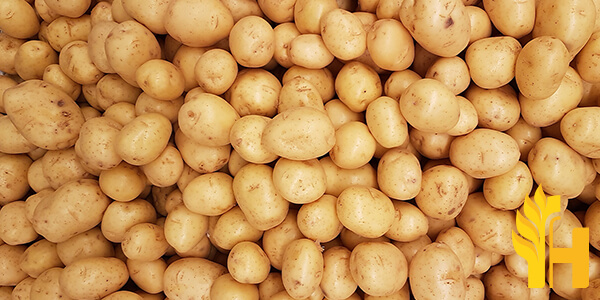
Where to buy and sell Potato, lowest (cheapest) and highest price.
check offers buy sell PotatoToday price for PotatoPotato wholesale prices 2022
The Current commodity price of Potato per kg, pound in the world in the global markets
baby potatoes patatine petrosino tub approx. 400g
baking potatoes (40 or 60 pieces)
egyptian potatoes, 4 kg
Irish potatoes (Alika) 1kg
Irish potatoes (White) 1kg
lebanese potatoes 4 kg
pakistani potatoes, 4 kg
potato king edward no local
potato (out of state)
potato red-cara/druid local
potato red (indian)
potato red (mude)
potato white
potatoes 1.2kg eg cello
potatoes 2.2kg eg cello
potatoes 3kg eg cello
potatoes evergreens sweet prepack
potatoes krieltjes 500 gram
potatoes nr1 (mixed) 10kg
potatoes nr4 (large) 10kg
What is the global potato market?
The potato is a globally important root vegetable grown in temperate and tropical regions. It is one of the world’s largest food staples, providing calories and nutrients to billions. The global potato market includes production, processing and trade of potatoes and potato products. In recent years, annual world production has been around 380 million metric tons. The market is dominated by major producers like China and India, and prices and trade flows are influenced by weather and technological changes. This article reviews production trends, price changes, trade patterns and uses of potatoes, offering insight into market dynamics.
Global Potato Production and Leading Producers
Global potato production remains extremely large and geographically diverse. In 2023 world output reached about 383 million metric tons, slightly above 2022’s 376 million tons. These volumes came from roughly 16.8 million hectares of land worldwide. Asia accounts for the largest share of production (over 175 million tons in 2023), while Europe (47 million) and North America (28.5 million) follow. Africa and Latin America contribute smaller but growing volumes. On average, global potato yields now exceed 21 tonnes per hectare. Farms in Europe and North America often achieve far higher yields (30–50 t/ha) thanks to advanced seed varieties and technology. This ongoing productivity growth allows output to rise even when planted area is flat.
- China: ~93.5 million metric tons (≈25% of world total)
- India: ~60.1 million metric tons (≈15%)
- Ukraine: ~21.4 million metric tons
- United States: ~20.0 million metric tons
- Russia: ~19.3 million metric tons
- Germany: ~10.5 million metric tons
- Bangladesh: ~9.9 million metric tons
- France: ~8.8 million metric tons
- Poland: ~8.2 million metric tons
- Netherlands: ~7.9 million metric tons
Major Producers by Country: China and India together account for nearly half of global potato output, reflecting extensive cultivation areas and diets rich in potatoes. China alone contributes about 25% of world supply, and India around 15%. European countries like Germany, France, Poland and the Netherlands also contribute significantly, especially through large-scale processing industries and high-yield farms. Other major producers include Bangladesh, Egypt and Turkey, as well as countries like Canada and Peru. In total, only a few dozen countries produce the bulk of the world’s potatoes, illustrating how concentrated production is among the top nations. For example, Canada and Peru each harvest around 6 million tons. Across many regions, total planted area has held roughly steady near 17–18 million hectares, so continuing increases in yield (now averaging over 21 t/ha globally) are needed to expand output without converting more land to farming.
Historical Trends in Production and Prices (1950–2025)
Over the past century, global potato production has seen remarkable expansion. In the 1950s total output was only a fraction of today’s volume (well under 100 million tons). Large gains came from developing improved seed varieties, expanded irrigation and modern farming methods – a kind of “green revolution” for potatoes. For example, production roughly doubled between 1970 and 2000. In recent decades the rate of growth has moderated: global output has climbed by only about 1% per year in the 2010s and 2020s as diets and markets stabilized. Nevertheless, advances in seed, mechanization and crop management have steadily raised average yields. Today’s fields typically produce well over 20 tonnes per hectare on average, up from much lower levels in the mid-20th century. This means that even with flat or slightly declining acreage, overall production can still increase.
Potato prices have historically been volatile and seasonal. Unlike storable grains, fresh potatoes must be consumed quickly, so market prices tend to swing sharply between harvests or after poor weather. In the long run, inflation-adjusted potato prices have stayed fairly flat or even declined, because rising yields and productivity often outpace demand growth. However, short-term price shocks do occur. For instance, a severe drought or frost in a major growing region can quickly tighten supply and send prices sharply upward. Geopolitical and economic events have also played a role: in 2022–2023, for example, processing potato prices in Europe reached record highs due to the Ukraine war, extreme summer heat and high fertilizer costs. Later, abundant harvests brought prices down again. Similarly, U.S. processors faced much higher potato prices in 2022 after a drought-reduced spring crop, whereas plentiful prior harvests had previously kept prices near decade lows. In short, potato prices reflect a mix of weather-driven supply changes and broader market forces, making them unpredictable over the short term.
- Post-war expansion: Widespread adoption of fertilizers and irrigation helped output grow rapidly from 1950 to 2000.
- Stabilization: After 2000, planted area leveled off in many developed regions; most output gains came from higher yields per hectare.
- Recent volatility: The early 2020s saw unusual price swings – the COVID-19 pandemic and the Ukraine conflict disrupted planting, logistics and input supplies, spiking costs.
- Supply shocks: Climate extremes (droughts, flooding or late frosts) have triggered localized shortages and temporary price peaks in some years.
- Resilient demand: Even when prices have risen, consumer potato consumption has held steady, reflecting its staple-food status during economic stress.
Potato Consumption Patterns and Industrial Uses
Potatoes are primarily consumed as food in both fresh and processed forms. They serve as a dietary staple in many parts of the world, rich in carbohydrates, fiber and vitamins (especially vitamin C). People eat potatoes boiled, baked, roasted or fried, and they are a key ingredient in many traditional cuisines. At the same time, a huge global industry has developed around processed potato products. French fries, potato crisps and dehydrated potato flakes are among the most popular processed forms. The booming quick-service restaurant sector (fast food) has driven strong demand for frozen french fries, making them a major value driver in the potato market. Countries like the United States and China have large frozen potato and snack industries. Per capita potato consumption varies widely: in many high-consuming countries (including parts of Europe) people eat on the order of 70–80 kg per person per year, whereas in some developing nations it may be under 20 kg. Rising consumer incomes and urbanization in developing regions are steadily increasing potato demand, both for fresh table use and for processed convenience foods.
Industrial and other uses: A notable portion of the potato harvest goes into non-food uses. Potato starch is one of the most important derivatives. It is extracted from tubers and used widely in the food industry (as a thickener in soups, sauces, and meat products), as well as in paper-making, textile production and adhesives, where it helps bind fibers and improve product quality. Modified potato starches have specialized applications in biotechnology and pharmaceuticals. The pulp and peel byproducts of starch and chip processing are often sold as animal feed or used in biogas production. In some regions, potatoes are also used for alcoholic beverages (notably vodka in Eastern Europe) and even for bioethanol fuel production, although cereals are more common for this purpose. Overall, these varied uses create multiple demand streams, helping to stabilize the market. For example, during years of surplus more potatoes can be diverted to starch and processing industries, which helps moderate farm-level price declines. The broad range of applications makes the potato market integral to both food and industrial sectors worldwide.
Key uses of potatoes include:
- Fresh food consumption (boiled, baked, mashed, etc.)
- Processed products (French fries, chips, dehydrated flakes and powders)
- Potato starch and derivatives (food processing, paper/textiles, adhesives)
- Animal feed (potato pulp and peel)
- Alcohol/bioenergy (vodka, bioethanol)
International Trade in Potatoes: Exports and Imports
Total world exports of fresh potatoes reached about $6.2 billion in 2023, climbing from previous year levels. Western Europe accounts for most of this trade: the Netherlands (≈$1.2B), France (≈$1.1B) and Germany (≈$0.7B) are the largest exporters of raw potatoes. Canada, Belgium and the United States each export several hundred million dollars of potatoes as well. The processed potato market is even larger: exports of frozen and prepared potato products (like French fries and chips) are on the order of $12–14 billion, with major suppliers including Belgium, the Netherlands, Canada and the U.S.
On the import side, European countries again dominate demand. In 2024, about two-thirds of all imported fresh potatoes went to Europe. Belgium, the Netherlands, Spain, Italy and Germany are by far the biggest importers of raw potatoes, purchasing supplies for both table consumption and processing. The United States also imports seed and table potatoes (especially from Canada and Mexico). Meanwhile, frozen potato products follow a global pattern: for example, the United Kingdom, many Gulf countries (UAE, Saudi Arabia) and East Asian markets (Japan, South Korea) import large volumes of frozen fries to supply fast-food and retail outlets. Overall, only a small fraction of total production is traded internationally (typically under 5%), reflecting the potato’s bulk and the fact that most of it is consumed close to where it is grown. These trade flows, however, highlight the interdependence of major producing and consuming regions in the global potato market.
Factors Influencing Potato Prices
Potato prices are determined by a mix of supply, demand and external factors. On the supply side, weather and production costs play key roles. A severe drought or flood in a major growing region can sharply reduce the harvest, pushing prices up, while abundant crops tend to drive prices down. High input costs (fuel, fertilizer, labor) set a floor on prices: when energy prices rise, farmers must charge more for potatoes to break even. Transportation costs also matter, especially when fuel prices are volatile. On the demand side, growing populations and higher incomes can boost consumption, especially of processed potato products. Meanwhile, global events like wars or pandemics can disrupt shipping and labor, causing supply bottlenecks. Pest outbreaks like late blight or potato virus can wipe out large shares of the crop, leading to sudden price spikes. Seasonal factors also drive prices: fresh potatoes flood the market at harvest and then become scarce until new planting. Investments in cold storage have moderated these swings somewhat. Overall, potato price trends reflect an interplay of these factors. Notably, climate change is making extreme weather more common, which may increase price volatility in the future.
- Weather and climate: Droughts, floods or temperature extremes can drastically reduce yields, creating supply shocks.
- Production costs: Fluctuations in fuel, fertilizer and labor prices directly influence farm-gate prices.
- Consumer demand: Population growth, rising incomes and diet trends (e.g. processed foods, restaurant sales) drive demand and prices.
- Market shocks: Events like pandemics, wars or trade restrictions can abruptly disrupt supply chains and cause price spikes.
- Diseases and pests: Late blight, viruses and insect infestations can destroy crops, leading to sudden shortages and higher prices.
- Currency and policy: Exchange rates, import/export tariffs and subsidies affect competitive pricing in international and domestic markets.
- Seasonality and storage: Price cycles follow harvest timing; limited storage capacity means fresh potatoes often have sharply falling prices after harvest.
Opportunities and Threats in the Potato Market
Opportunities
Global potato consumption is growing as incomes rise and diets change. This creates new opportunities for the industry. For example, rising demand in Africa, Asia and Latin America offers emerging markets where potato can displace lower-yield staples. Consumer trends favoring convenience mean that sales of frozen fries, chips and other potato snacks continue to expand worldwide. Health and nutrition awareness can also be an opportunity: potatoes are being promoted as a nutritious, gluten-free carbohydrate source, and new biofortified varieties (with added vitamins and minerals) may attract health-conscious buyers. Advances in technology—such as high-yield or stress-tolerant varieties and precision farming—can increase output and reduce costs. Furthermore, sustainable agriculture practices (organic methods, efficient irrigation) can open premium niches and improve environmental credentials. Together, these factors suggest many growth avenues for producers and processors.
- Emerging markets: Rising consumption in developing regions offers new growth potential.
- Value-added products: Expanding snack and fast-food sectors boost demand for processed potatoes (fries, chips, flakes).
- Nutrition and health: Potato’s nutrient content (and biofortified breeding) meets demand for nutritious staple foods.
- Technological advances: Improved varieties and precision farming can raise yields and reduce losses.
- Sustainable farming: Organic and efficient methods can lower costs and appeal to eco-conscious consumers.
Threats
At the same time, the potato sector faces significant threats. Climate change is a major concern: increasing heat, drought and extreme weather can shrink harvests and challenge food security. Potato crops are also vulnerable to pests and diseases; for instance, late blight and bacterial wilt can devastate fields without effective controls. Market risks remain high: sharp swings in input costs (like fuel or fertilizer) or selling prices can quickly cut into profits. Supply chain disruptions (for example, shipping delays or labor shortages) can also hurt availability and prices. Resource constraints are another threat: water scarcity and competition for land use may limit future area under potato cultivation. Finally, changing consumer trends could pose a long-term risk if demand shifts away from starchy staples. Industry participants must manage these risks through diversification, resilient farming practices and continual innovation to maintain stable production.
- Climate change: More frequent droughts, heatwaves and floods threaten stable yields.
- Pests and diseases: Blights, nematodes and viruses can cause large-scale crop losses.
- Price volatility: Rapid swings in input or selling prices expose farmers to risk.
- Resource constraints: Water shortages and land competition could restrict potato area.
- Dietary shifts: If consumers move away from starchy foods, potato demand could stagnate.
Global Potato Market Outlook and Future Perspectives
Looking ahead, the global potato market is projected to grow gradually. Analysts forecast that the market value could increase at around 3–4% annually over the next decade, driven by population growth and rising consumption in developing regions. By 2030, the industry is expected to be significantly larger, with much of that growth in Asia and Africa. China and India are likely to remain the top producers, but Africa’s share of production and consumption is expected to rise with its rapidly growing population. Environmental and sustainability considerations will shape the market: potatoes are relatively efficient in terms of calories per unit of water and land compared to some other staples, which could increase their importance in food security strategies. Still, challenges such as climate change and resource limits will require innovations. Governments and industry groups are investing in potato research (for example through initiatives like the International Year of Potato) to develop higher-yielding, more resilient varieties and to promote efficient farming practices. These efforts aim to ensure that potato output can meet demand in 2050, potentially doubling yields without expanding arable land.
- Continued growth: The global potato market is expected to expand steadily into the 2030s (roughly 3–4% annual growth), fueled by demand in Asia, Africa and Latin America.
- Food security: Potatoes are likely to play an increasing role in feeding the world, given their high yield potential; research aims to substantially raise yields and nutritional value.
- Technological change: Advances like farm automation, smart sensors and biotechnology will gradually transform potato farming and processing.
- Sustainability focus: Efficient irrigation, precision fertilizer use and eco-friendly pest control will be priorities to mitigate environmental impact of potato cultivation.
- Processed sector growth: Global demand for convenient potato foods (French fries, chips, snacks) is projected to remain strong, driving investment in processing and logistics.
- Consolidation and standards: The industry may see consolidation as large companies invest in supply chains and international quality standards.
In summary, while traditional potato markets in Europe and North America will remain important, the largest growth opportunities lie in emerging economies. The potato’s versatility and high productivity make it attractive for investors and governments aiming to boost food security and economic development. If research advances and sustainable practices keep pace with demand, the global potato market should continue expanding well into the coming decades.
Download our new
Husfarm App
Stay up to date with the current prieces of agricultural products all over the world.


Do you want to sell agricultural products?
Are you an Agricultural processor looking for high-quality products to buy?
Post an ad for FREE!