

Grapefruit price
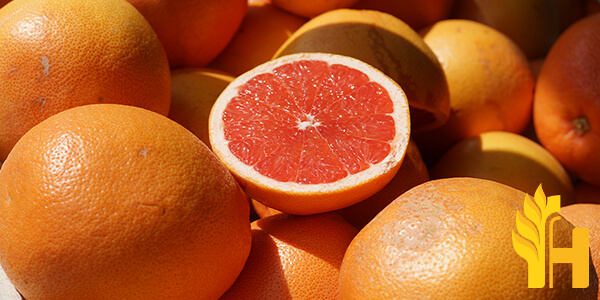
Where to buy and sell Grapefruit, lowest (cheapest) and highest price.
check offers buy sell GrapefruitToday price for GrapefruitGrapefruit wholesale prices 2022
The Current commodity price of Grapefruit per kg, pound in the world in the global markets
grapefruit
Grapefruit 1piece
grapefruit red star ruby cal. 28-40
grapefruit red star ruby cal. 45-55
grapefruit white white marsh cal. 36-40
grapefruit
Grapefruit 1piece
grapefruit import
grapefruit red class I loose Michoacán
grapefruit red star ruby cal. 28-40
grapefruit red star ruby cal. 45-55
Grapefruit Star Ruby 1g Carton A15c (15kg)
grapefruit white white marsh cal. 36-40
grapefruit red class I loose Michoacán
Grapefruit Star Ruby 1g Carton A15c (15kg)
grapefruit starruby grade 2g container bx mass 15 count 35
grapefruit starruby grade 2g container by mass 15 count 40
grapefruit red class I loose Michoacán
Grapefruit agricultural Statistics
What is Grapefruit and How Is Its Global Market Evolving?
Grapefruit (Citrus × paradisi) is a subtropical citrus fruit known for its tangy, bittersweet flavor and high vitamin C content. It originated as a hybrid of sweet orange and pomelo. Beyond fresh consumption and use in juices, grapefruit is an important commodity in international trade. In recent years, the global grapefruit market has seen shifts in production, prices, and trade, driven by changing consumer preferences and supply dynamics. This article explores the latest trends, historical developments, key producing regions, trade dynamics, uses, and future outlook of the grapefruit industry.
Global Production Trends and Leading Grapefruit Producers
Global grapefruit production has expanded dramatically since the mid-20th century. In the 1950s, grapefruits were grown on a relatively small scale, primarily in the United States (notably Florida and Texas) and a few other subtropical regions like the Caribbean and the Middle East. Annual output was only a fraction of today’s levels. As the fruit’s popularity grew in the 1960s and 1970s — boosted by its reputation as a healthy breakfast fruit — many countries increased plantings. By the 1980s, worldwide production climbed into the millions of tons per year, with the U.S. as a leading producer alongside emerging contributors like Israel, Cuba, and South Africa.
A significant turning point occurred in the late 20th and early 21st centuries. The United States, particularly Florida, reached peak grapefruit production in the 1990s. However, the early 2000s brought challenges: devastating hurricanes and the onset of citrus greening disease (Huanglongbing) caused U.S. output to plummet. Between 2003 and 2006, global supply dipped sharply as Florida’s orchards declined, marking a rare contraction in an otherwise long-term growth trend. This downturn was temporary. Starting around 2007, other producers — most notably China — rapidly expanded grapefruit (and pomelo) cultivation, more than offsetting the U.S. decline. By 2018, global production rebounded to a new all-time high (approximately 6.8 million metric tons in 2018/2019), surpassing previous records.
Today, grapefruit cultivation spans the globe, with Asia now dominating world output. China is by far the largest producer, primarily due to its extensive cultivation of pomelo (classified under grapefruit in agricultural statistics). China’s harvest alone accounts for roughly half of all grapefruits produced worldwide each year. Other major producers have also risen in prominence. Vietnam, for example, has rapidly increased production of pomelos in the past two decades, becoming the second-largest producer globally. India’s output has grown as well, reflecting rising cultivation of pomelo in its northeastern regions. Traditional grapefruit-growing countries continue to contribute, but many have seen changes in their rankings: Mexico remains a leading grower in the Americas, while South Africa has sustained significant production in Africa. Even the United States, despite its declines, still grows a notable volume of grapefruit (especially in Florida and Texas), though its global share has fallen significantly from mid-century heights.
Major grapefruit-producing countries (with approximate annual production in recent years) include:
- China: ~5.0 to 5.5 million tons (by far the largest producer, mostly pomelos grown for domestic consumption).
- Vietnam: ~1.0 to 1.2 million tons (primarily pomelo; rapid growth in production over the last decade).
- India: ~0.6 million tons (mostly pomelo varieties grown in subtropical regions of the country).
- Mexico: ~0.4–0.5 million tons (major producer in the Americas, with a mix of white and red grapefruit).
- United States: ~0.3–0.4 million tons (production concentrated in Florida, Texas, and California; much lower than historical levels).
- South Africa: ~0.3–0.4 million tons (a leading exporter from the southern hemisphere, mainly red grapefruit).
- Turkey: ~0.25 million tons (expanding production, supplying both domestic and export markets).
- Sudan: ~0.25–0.3 million tons (significant pomelo production in Africa).
- Thailand: ~0.2–0.3 million tons (largely pomelo production for domestic use).
- Israel: ~0.1–0.2 million tons (once a major exporter, now a smaller producer focusing on specialty varieties).
Many other countries contribute smaller amounts to the world total. Overall, global grapefruit (and pomelo) production in the mid-2020s stands around 6 to 7 million tons annually according to official estimates. Some industry analyses that include all pomelo output even put the figure closer to 10–11 million tons. The upward trend in total volume reflects both expanded acreage and new plantings, especially in Asia, as well as improved agricultural practices in some regions. At the same time, yield per hectare has remained relatively flat on average, meaning production increases are mostly due to more trees being grown rather than big gains in fruit yield per tree.
Global Consumption Trends and Demand
Global demand for grapefruit has been gradually increasing overall, but consumption patterns vary widely across regions. In the last decade, worldwide grapefruit consumption has risen at a modest pace, largely thanks to growing appetites in Asia. China’s domestic consumption is enormous — virtually all of China’s huge grapefruit (primarily pomelo) harvest is consumed internally, making China the world’s largest grapefruit consumer by far. Other Asian countries also contribute significantly: for instance, Vietnam’s population enjoys grapefruit and pomelo at one of the highest rates per person in the world, and India’s consumption is climbing alongside its production. These gains in Asia have helped push global consumption to record levels in recent years.
In contrast, consumption in many Western countries has been stagnant or declining. The United States, which once had a prominent grapefruit-eating culture (think of the classic half-grapefruit at breakfast), has seen per capita consumption fall significantly from mid-20th-century highs. Today, the average American consumes less than 1 kilogram of grapefruit per year, a sharp decline attributed to changing tastes and dietary habits. European markets show a similar pattern of lukewarm demand. While countries like France, Germany, and the Netherlands import grapefruits, they remain a niche fruit compared to oranges or easy-peel mandarins. Only certain consumer segments in Europe actively seek out grapefruit for its tart flavor and health benefits.
Several factors explain the weak or declining consumption in traditional markets. Grapefruit’s characteristic bitterness, while beloved by some, limits its broad appeal in an era when consumers often prefer sweeter, more convenient fruits. Competition from other fruits has played a role: for example, many people now opt for easy-to-eat citrus like clementines and oranges, or exotic alternatives like mangoes and berries, instead of the more acquired taste of grapefruit. Additionally, the well-publicized grapefruit-drug interactions have had an impact. Grapefruit contains compounds that can interfere with the metabolism of certain medications, leading doctors and pharmacists to caution patients — especially older adults — against eating the fruit if they are on those drugs. This has removed a segment of potential consumers from the market over the past few decades.
On the other hand, grapefruit still has a loyal consumer base and certain health-driven appeal. Health-conscious individuals appreciate that grapefruit is low in calories yet rich in vitamins (especially vitamin C and antioxidants). Periodic diet fads — such as the “grapefruit diet” that has been popular at times since the mid-20th century — have also kept the fruit in the public eye as a weight-loss food. In markets like Russia and Canada, grapefruit remains a regular part of the fruit import basket, showing steady if not spectacular demand. Japan provides an interesting case: it was once one of the largest importers of grapefruit (particularly from the U.S.) during the late 20th century, but Japanese consumption has dropped markedly as younger generations show less interest in the bitter fruit. Overall, global consumption of grapefruit is a tale of two worlds — robust and growing in Asia, but challenged by consumer preferences and demographics in the West.
Grapefruit Price Trends and Market Value
Prices for grapefruit have fluctuated over time, influenced by supply gluts, shortages, and general inflationary trends. In the mid to late 20th century, as production expanded, real (inflation-adjusted) prices of grapefruit tended to decline or remain moderate, making the fruit more affordable to consumers. Periods of surplus harvests often led to very low prices for growers. However, whenever adverse weather struck major growing regions, prices spiked. For example, a severe freeze or hurricane hitting Florida’s groves in the 1980s or 1990s would temporarily tighten supply and drive up prices worldwide. On the whole, grapefruits in the 1980s and 1990s were relatively inexpensive in grocery stores, thanks to abundant supply and competition among producers.
In recent decades, the price trend has shifted upward. Since the 2000s, issues like citrus greening disease and shrinking acreage in traditional regions have curtailed supply growth, putting upward pressure on prices. At the same time, production costs (labor, water, inputs) have risen in many countries. As a result, grapefruit is no longer the cheap, plentiful commodity it once was in some markets. Consumers and buyers have faced gradually higher prices. For example, in the United States, the average retail price of fresh grapefruit has climbed into the range of $1.50 per pound in the mid-2020s, compared to well under $1.00 per pound a couple of decades earlier. While some of this increase reflects normal inflation, it also indicates a tighter balance between supply and demand.
On the global stage, grapefruit’s market value has grown alongside its volume. The worldwide grapefruit market (fresh fruit at the wholesale level) was estimated at around $8–9 billion in the late 2010s and mid-2020s. This rising market value is a function of both increasing quantities consumed and gradually higher average prices. International trade data show that the average export/import price of grapefruit has been inching up. In 2024, the average import price globally was roughly $1,030 per ton (about $1.03 per kg), up from the levels seen a decade prior. Over the last ten years, import prices have increased by an average of around 1–2% per year. Still, grapefruit remains cheaper than many other fruits on a per-unit basis, especially at the farm gate; much of the cost adds up in shipping, handling, and retail markup by the time it reaches consumers.
Price disparities between markets are notable. Premium quality grapefruit sold to high-income markets commands higher prices. In 2024, for instance, buyers in Germany paid around $1,400 per ton for imported grapefruit (reflecting demand for top-grade fruit and out-of-season availability), while buyers in some markets like Saudi Arabia paid closer to $520 per ton for more affordable supplies. Factors such as fruit size, color, sweetness, and seedlessness can also affect pricing. Red or pink grapefruits often fetch a premium over white varieties due to stronger consumer preference for the sweeter taste and attractive color. Off-season fruit (supplied by countries in the opposite hemisphere) can be more expensive due to higher transport costs and limited supply windows. Overall, while grapefruit prices have trended upward, the fruit is still reasonably accessible, and moderate price volatility persists year to year based on harvest outcomes and global supply conditions.
Global Grapefruit Trade: Exports and Imports
Only a portion of the world’s grapefruit production enters international commerce – the majority is consumed in the country of origin. Nevertheless, the grapefruit trade connects producers and consumers across continents. In recent years, roughly 10–15% of global grapefruit output is exported to other markets. Global export volumes grew through the 1990s and 2000s, but in the past few years they have plateaued or even declined slightly. Industry reports indicate that worldwide grapefruit exports peaked around 2018 at over 1.1 million tons, and have since fallen below 1 million tons annually. The dip reflects tighter supply (due to production issues in some exporting countries) and high domestic demand in Asia reducing the need to export. Still, hundreds of thousands of tons of grapefruits are traded each year, moving from surplus growers to regions where local production cannot meet consumer needs.
Trade flows follow seasonal patterns and regional complementarities. For example, European markets rely on imports during their winter and spring – receiving fresh grapefruit from places like Turkey, Israel, and Spain (Mediterranean harvests) and then later from South Africa when the European season is off. Similarly, when North America’s production is not enough or out of season, suppliers from Mexico or South Africa step in to supply the U.S. market. Grapefruit being relatively perishable, it is usually shipped by sea in refrigerated containers, timed to arrive when destination markets have demand. Any disruption in shipping logistics or harvest schedules can quickly affect availability and prices in importing countries. Next, we will look at the leading exporters and importers shaping the global grapefruit trade.
Major Grapefruit Exporting Countries
The top exporting countries of grapefruit (including pomelo) have shifted over time as production patterns changed. Currently, the major exporters include:
- South Africa: One of the world’s largest grapefruit exporters, South Africa ships red and white grapefruits primarily to Europe and Asia. Its opposite-season harvest (South African winter corresponds to Northern Hemisphere summer) makes it valuable for supplying off-season markets. South Africa typically exports around 250,000–300,000 tons annually in recent years.
- Turkey: A leading Northern Hemisphere exporter, Turkey produces pink and white grapefruits and exports a substantial portion (over 200,000 tons some years). Key destinations include Russia (a major buyer of Turkish citrus) and the European Union.
- China: Although China grows the most grapefruits, it consumes most domestically. Even so, China has become a significant exporter of pomelos, particularly to Europe and other parts of Asia, exporting on the order of 100,000+ tons per year.
- Spain: Spain grows grapefruits (mainly in the southern regions like Murcia) and exports much of its ~80,000-ton production within Europe. Spanish grapefruit fills an early-season niche in the European winter before imports from overseas arrive.
- Mexico: Mexico exports part of its crop (tens of thousands of tons) to neighboring United States and Canada. Mexican grapefruit helps supplement North American markets, especially when U.S. production is low.
- Israel: Historically a major grapefruit exporter (famed for its Jaffa grapefruit), Israel still exports citrus including grapefruit, though volumes (tens of thousands of tons) have decreased from their peak as some orchards shifted to other crops.
- United States: The U.S. was once a top exporter (Florida grapefruit were shipped worldwide). Now, with lower production, U.S. exports have dwindled to a much smaller scale (under 30,000 tons in recent years), mainly serving Canada, Japan, and some European customers.
- Netherlands: While not a grower, the Netherlands serves as a key re-export hub in Europe. Dutch ports import large quantities of grapefruit from producers like South Africa and then distribute them across EU markets. This makes the Netherlands show up as a top “exporter” in trade statistics.
Together, these countries account for the bulk of global grapefruit exports. South Africa, Turkey, China, Spain, and the Netherlands (re-export) typically make up about two-thirds of worldwide export volume in a given year.
Major Grapefruit Importing Countries
On the import side, demand is spread across many markets, but a few stand out for their volume:
- European Union (EU): Collectively, EU countries are the largest importers of grapefruit. The Netherlands is a primary entry point (importing about 120,000+ tons in 2024, much of which is transshipped), and countries like Germany, France, Poland, and Spain (to cover off-season gaps) import significant quantities. European consumers favor high-quality red grapefruits, often from South Africa, Turkey, or Israel.
- Russia: Russia has been a major grapefruit importer, sourcing over 100,000 tons annually in recent years (107,000 tons in 2024). Turkish grapefruit has been a staple in the Russian market, especially after European citrus faced import restrictions. Grapefruit remains popular among a segment of Russian consumers, particularly in winter months.
- China: Despite its huge domestic production, China also imports grapefruit (around 90,000+ tons in 2024) to cover seasonal gaps and to access varieties grown abroad. For example, China imports pomelo from Southeast Asian neighbors (such as Vietnam or Thailand) during months when domestic supply is off-season. China’s import demand has been rising rapidly from a low base.
- United States: The U.S. imports a modest amount of grapefruit (roughly 30,000–40,000 tons in recent years) to supplement domestic supply, especially when Florida’s harvest is poor. Mexico is the primary source, along with some off-season imports from the Caribbean or South Africa. U.S. imports have grown somewhat as domestic production fell.
- Japan: Once a top grapefruit importer (over a quarter million tons per year at its peak decades ago), Japan’s imports have dropped to around 30,000–40,000 tons annually today. Aging demographics and health concerns have reduced grapefruit’s popularity there, but Japan still receives shipments (often from South Africa and the U.S.) for a loyal consumer base.
- Canada: Canada imports virtually all the grapefruit it consumes, mostly from the U.S. and sometimes Mexico, on the order of a few tens of thousands of tons per year.
- Middle East: Various Middle Eastern countries such as Saudi Arabia and United Arab Emirates import grapefruit (together several tens of thousands of tons). They often source from nearby producers (Turkey, Israel) as well as South Africa. Price-sensitive markets in this region sometimes opt for lower-priced fruit.
Overall, global import demand for grapefruit has been relatively flat, with growth in Asia and some emerging markets balancing out declines in others. Importers are sensitive to price and quality, and a surplus or shortfall in the global supply can quickly change where and how much these countries import in a given year.
Uses of Grapefruit in Food and Industry
The grapefruit finds use both as a fresh fruit in diets and as a raw material in various industrial processes. A significant portion of grapefruit production is consumed fresh or as juice, but numerous byproducts and processed forms have emerged, ensuring little goes to waste. Broadly, grapefruit’s uses can be divided into food and beverage applications and non-food industrial applications.
Food and Beverage Applications
By far the most common use of grapefruit is fresh consumption. Many people enjoy grapefruit halves or segments as part of breakfast or in fruit salads, taking advantage of its refreshing, tart taste. In addition, grapefruit is widely used for juice. Grapefruit juice, either fresh-squeezed or pasteurized and bottled, is a staple product in many countries. It can be consumed on its own or blended with other citrus juices. There is also a market for frozen concentrated grapefruit juice, though smaller than that of orange juice. In the beverage industry, grapefruit flavor is popular: grapefruit juices or extracts are used in soft drinks (such as grapefruit-flavored sodas), energy drinks, and as mixers in cocktails (for example, the grapefruit is key in beverages like the Paloma cocktail or the Greyhound). Grapefruit’s tartness provides a counterpoint in sweet drink formulations.
Beyond direct juice, the fruit’s inner flesh and rind can be processed into other edible products. Some producers sell canned or jarred grapefruit segments preserved in syrup or juice, which are convenient for desserts and baking. Grapefruit marmalades and jams (often combined with other citrus) utilize the fruit’s pulp and peel, valued for their tangy flavor and natural pectin content. In fact, grapefruit peels are a source of pectin, a gelling agent used in the food industry for jams and jellies. Overall, while fresh eating and juice dominate, these additional culinary uses ensure grapefruit can be enjoyed in diverse forms.
Non-Food Industrial Uses
Grapefruit also has important uses beyond direct consumption. One major avenue is the extraction of essential oils and aromatic compounds from grapefruit peel. Grapefruit oil, pressed or distilled from the rinds, is used in perfumes, cosmetics, and aromatherapy products for its fresh citrus scent. It’s also used as a natural flavoring agent in food and beverages (for instance, in candies or liqueurs) and even in some household cleaners for fragrance and degreasing properties. The cosmetic industry incorporates grapefruit extracts in skincare products because of their vitamin C content and purported antioxidant benefits, promoting these ingredients for toners, creams, and hair products.
Another byproduct is grapefruit seed extract (GSE), derived from the seeds and membranes. GSE is marketed as a dietary supplement and natural antimicrobial agent. While its efficacy is debated, it has found a niche for those seeking natural health remedies, and it’s sometimes added to cosmetics or cleaning products for its presumed antibacterial properties. Additionally, processed grapefruit peels and pulp have applications in agriculture and manufacturing. Dried grapefruit peel can be pelleted for cattle feed as a source of fiber and nutrients (after juice extraction, citrus peels from processing plants often go to livestock feed). Researchers are also exploring the use of grapefruit peel waste in creating bio-based materials and environmentally friendly products, aligning with circular economy initiatives. For example, grapefruit-derived pectin and fibers are being studied for biodegradable packaging or as fat replacers in food products. These innovative uses remain relatively small-scale but demonstrate the versatility of grapefruit beyond the produce aisle.
Factors Influencing Grapefruit Prices
The price of grapefruit in global markets is determined by a combination of supply and demand factors, many of which can change from year to year. Understanding what drives grapefruit prices helps traders and investors anticipate market movements. Key factors include:
- Weather and Climate Events: Grapefruit production is highly sensitive to weather. A freeze, drought, hurricane, or flood in a major growing region can drastically reduce output for a season, leading to supply shortages and price spikes. For example, a single severe frost in Florida or a cyclone in Southeast Asia can wipe out a large portion of the crop, tightening global supply.
- Diseases and Pests: Citrus diseases (like citrus greening/HLB or citrus canker) and pest infestations can have long-term impacts on supply. An outbreak can force farmers to destroy trees or reduce yields, gradually constraining supply and putting upward pressure on prices. Regions afflicted by such diseases (e.g., Florida with HLB) have seen production collapse, altering global price dynamics.
- Production Volume and Yield: Simply put, if global grapefruit output rises significantly (due to expanded acreage or bumper yields), prices tend to soften, and if output falls, prices tend to firm up. High yields in multiple countries at once can create oversupply, driving prices down as exporters compete for buyers. Conversely, if yields are poor broadly, scarcity drives prices up.
- Consumer Demand Trends: On the demand side, changing consumer preferences can influence price. If grapefruits suddenly grow in popularity (due to a health trend or diet fad), increased consumption can lift prices, assuming supply doesn’t immediately keep up. On the other hand, if consumers shy away from grapefruit in favor of other fruits, even abundant supply might struggle to find a market, putting downward pressure on prices.
- Prices of Substitute Fruits: Grapefruit competes with other fruits (especially other citrus like oranges and mandarins, and other breakfast fruits like melons or berries). If oranges become expensive or scarce, some consumers might switch to grapefruit, boosting its demand and price. Conversely, if oranges or other substitutes are very cheap, grapefruit may have to be priced lower to entice buyers.
- Production Costs: Underlying costs for growers (labor, fertilizer, water, fuel) affect the price needed to make grapefruit farming profitable. When costs rise, farmers may charge more for their fruit. In the long run, if farm-level prices are too low, farmers might exit the market or switch crops, eventually reducing supply and causing prices to rebound to sustainable levels.
- Exchange Rates and Trade Policies: Since a lot of grapefruit is traded internationally, currency fluctuations can influence prices. For example, a weak South African rand might make South African grapefruit cheaper in dollar or euro terms, affecting global price benchmarks. Trade policies like tariffs, import bans, or phytosanitary restrictions also play a role. If a major importer imposes tariffs or bans (due to pest detections or political reasons), it can divert supply elsewhere and depress prices for exporters, while possibly raising prices in the restricted market due to reduced availability.
- Seasonality and Storage: Grapefruit has specific harvest seasons in each producing country. Prices often fluctuate seasonally – they may be lower during peak harvest when supply is plentiful and higher during the off-season. Unlike some staples, fresh grapefruit has limited storability (it can be stored for a few months in cold conditions, but quality degrades), so the market relies on continuous production cycles between the Northern and Southern hemispheres. This seasonality means short-term gluts or gaps can swing prices until the next region’s harvest comes in.
In practice, many of these factors interact. For instance, a bad weather event in one country might coincide with rising demand in another, amplifying the price effect. Traders must watch both the agricultural side (weather, disease, crop forecasts) and the consumer side (demand trends and market preferences) to gauge future price movements for grapefruit.
Opportunities and Threats in the Grapefruit Market
Opportunities
- Health and Wellness Trends: Modern consumers are increasingly health-conscious, seeking foods that provide nutritional benefits. Grapefruit, rich in vitamin C, fiber, and antioxidants, fits well into this trend. There is an opportunity to market grapefruit as a “superfood” for immunity and weight management, capitalizing on its reputation (e.g., the grapefruit diet) as a metabolism booster. As awareness grows about natural sources of vitamins, grapefruit consumption could see a boost.
- Emerging Markets and Growing Middle Class: While grapefruit consumption is mature or declining in some western markets, there are regions with large populations that still have low per capita intake but rising incomes. Countries in Asia (beyond China and Vietnam), Africa, and Latin America present growth potential if grapefruit is promoted effectively. For instance, as urban middle classes expand in countries like Indonesia, Nigeria, or Brazil, demand for diverse fruits including grapefruit could increase, provided the fruit is made available and affordable.
- Product Innovation and Value Addition: New grapefruit-based products can stimulate demand. This includes developing sweeter or less bitter grapefruit varieties (to appeal to those put off by bitterness) and convenient formats like ready-to-eat peeled segments or chilled fresh juices. Innovation in processing can reduce the bitter compounds (like naringin) in grapefruit juice, making it more palatable to a broader audience. Additionally, further utilization of grapefruit byproducts (essential oils, extracts, etc.) can open revenue streams beyond fresh fruit sales, making the industry more profitable.
- Technological Advances in Production: Advances in agricultural technology (covered in detail below) present an opportunity to overcome some traditional challenges. Breakthroughs such as disease-resistant grapefruit trees or more effective pest control could revitalize production in areas like Florida or improve yields elsewhere. Precision agriculture and better irrigation can also enable grapefruit cultivation in new areas or improve efficiency in existing orchards, increasing supply sustainably to meet future demand.
- Year-Round Global Supply: The globalization of fruit trade means grapefruits can be available nearly year-round. Continued coordination between Northern and Southern Hemisphere producers can ensure consistent supply, which in turn can encourage retailers to stock grapefruit continuously. This steady presence may help maintain consumer interest and integrate grapefruit as a regular part of diets rather than a seasonal novelty.
Threats
- Diseases and Biosecurity Risks: The biggest threat looming over the grapefruit industry is citrus greening disease (HLB), which has already decimated groves in Florida and poses a risk to other regions. There is no cure yet, and if HLB spreads further (e.g., to grapefruit areas in Mexico, South Africa, or the Mediterranean), global supply could shrink significantly. Other citrus diseases and pests (like citrus canker, fruit flies) also threaten groves. Quarantine measures can restrict fruit movement if pests are detected, disrupting trade.
- Climate Change and Extreme Weather: Grapefruit cultivation requires a subtropical climate that is not too cold. Climate change brings uncertainties: increased frequency of extreme weather events (hurricanes, heat waves, droughts, unexpected frosts) can damage orchards more often. Shifting climate zones might also reduce suitable growing areas or require costly adaptation measures (like more irrigation or windbreaks). These factors can limit production and increase costs in the long run.
- Changing Consumer Preferences: Younger generations in many countries are less familiar with or less fond of grapefruit compared to older generations. The bitter taste is a barrier for some, especially when many other sweet fruit options are available year-round. If this generational shift continues, grapefruit could further lose market share to easier-to-eat fruits like mandarins, berries, or tropical fruits. The industry may struggle to replace an aging consumer base unless it innovates or rebrands the fruit’s image.
- Competition from Other Fruits: Grapefruit competes in the marketplace with other fruits, including its citrus cousins. If oranges, tangerines, or new hybrid citrus varieties (like tangelos or pomelos) are more aggressively promoted or preferred, grapefruit may be edged out. Also, as exotic fruits (dragon fruit, kiwi, etc.) and value-added snacks gain popularity, the space for grapefruit in produce aisles and juice shelves could shrink.
- Regulatory and Trade Challenges: International trade of citrus can be subject to sudden policy shifts. For example, import bans due to pest scares, tariffs from trade disputes, or sanctions can close off key markets without warning. If a top importing country were to restrict grapefruit (for instance, due to excessive pesticide residue findings or geopolitical tensions), exporters would face a glut and prices could crash. Conversely, reliance on a few big markets (like China or the EU) means any demand downturn there would significantly impact global growers.
- Rising Production Costs and Profitability: In many regions, the profitability of grapefruit farming is under strain. Labor shortages, higher wages, and increased costs for fertilizers and fuel can make it expensive to maintain orchards. If farmers find grapefruit less profitable than alternative crops (like mandarins or avocados), they might switch, leading to decline in supply. High costs also mean higher prices for consumers, which can suppress demand, creating a challenging cycle for the industry.
Balancing these opportunities and threats will be crucial for stakeholders in the grapefruit market. Capitalizing on the positive trends while mitigating risks (through research, diversification, and strategic marketing) will determine how the grapefruit industry fares in the coming years.
Future Outlook for the Global Grapefruit Market
The long-term outlook for the grapefruit market is cautiously optimistic, characterized by slow but steady growth. Industry analysts generally foresee global grapefruit demand and production increasing modestly in the coming decade. One forecast projects that world grapefruit consumption will grow by around 1–2% per year in volume, which would bring annual output from roughly 7 million tons in the mid-2020s to about 10–12 million tons by the mid-2030s. Much of this growth is expected to come from Asian markets continuing to expand their production and consumption of pomelo-type grapefruits. Countries like China, Vietnam, and India are anticipated to drive volume gains, both to satisfy domestic appetites and possibly to export value-added products.
In terms of market value, the grapefruit sector is likely to grow a bit faster than volume due to gradually rising prices. Projections suggest global market value could exceed $11 billion within the next decade (up from an estimated $8–9 billion currently), assuming stable economic conditions and continued interest in grapefruit’s health benefits. This implies prices will remain firm or increase slightly as demand grows and costs rise. However, this positive outlook comes with important caveats. It hinges on managing the threats facing the industry: combating disease pressures, adapting to climate variability, and engaging younger consumers. If a breakthrough occurs (for example, a widely adopted HLB-resistant tree or a successful marketing campaign rejuvenating grapefruit’s image), the industry’s fortunes could improve more dramatically. Conversely, if problems like greening disease spread unchecked or if older orchards are not replaced, some regions could see output decline despite global growth elsewhere.
Geographically, the balance of the grapefruit market will likely continue shifting eastward. Asia’s dominance in production and consumption is set to persist, potentially even increasing if Western markets do not rebound. We may see further concentration of production in a handful of countries that have suitable climates and have invested in citrus industries (China above all, but also Mexico, South Africa, Turkey, and others). Trade patterns might adjust accordingly: exporters will focus on supplying markets that still have growth (for example, Southeast Asia or Middle East) while maintaining niche presences in Europe and North America. For growers and exporters willing to innovate, there could be new opportunities — such as cultivating novel grapefruit hybrids with improved taste or tailoring products to health trends (like low-sugar or fortified grapefruit juices).
In summary, the global grapefruit market’s future appears to be one of moderate expansion rather than explosive growth. Grapefruit is expected to retain its place as a significant citrus fruit internationally, even if it remains a smaller segment compared to oranges or mandarins. Its unique flavor and nutritional profile give it a distinct market niche. By addressing current challenges and leveraging opportunities — through scientific research, marketing efforts, and sustainable farming — the industry can aim for a resilient and possibly more vibrant grapefruit market in the years ahead.
Technological Innovations in Grapefruit Production and Processing
Technology is playing an increasingly important role in shaping the grapefruit industry’s future. Innovations both on the farm and in processing facilities are helping to tackle longstanding challenges and improve efficiency. Here we highlight some key technological advances in grapefruit cultivation and processing:
On the Farm: Precision Agriculture and Biotechnology
Growers are adopting precision agriculture techniques to manage grapefruit orchards more effectively. This includes using satellite imagery, drones, and soil sensors to monitor tree health, soil moisture, and nutrient levels in real time. With these tools, farmers can apply water and fertilizers exactly when and where needed, which saves resources and optimizes yields. Precision irrigation systems (like drip irrigation controlled by moisture sensors) have been shown to significantly reduce water use while maintaining or increasing grapefruit yield. Similarly, advanced weather monitoring and modeling allow growers to prepare for frost events or plan harvests to avoid stormy weather.
Biotechnology is another promising field. Researchers are working on developing disease-resistant grapefruit varieties through traditional breeding and modern genetic techniques. One focus is resistance to citrus greening (HLB) – by identifying rootstocks or genes that confer tolerance, scientists hope to create grapefruit trees that can survive and produce even in areas exposed to the disease. Genetic engineering (including CRISPR gene editing) is being explored to either remove grapefruit’s susceptibility to certain bacterial diseases or even to tweak flavor profiles (for instance, reducing the compounds that cause bitterness or drug interactions). While the deployment of genetically modified citrus is still limited by regulatory and public acceptance hurdles, field trials are underway, especially in the United States, to test new HLB-resistant trees.
Other on-farm innovations involve automation and smart farm management. There are prototypes of robotic harvesters and automated citrus pickers that could one day assist in harvesting grapefruits, addressing labor shortages and potentially reducing costs. Machine vision technology can identify ripe fruit or detect early signs of disease on leaves, prompting quicker interventions. Additionally, integrated pest management programs use tech to release beneficial insects or time sprays optimally, reducing chemical use. All these innovations aim to make grapefruit farming more sustainable, efficient, and resilient in the face of environmental stresses.
Post-Harvest and Processing Innovations
After grapefruits are harvested, technology continues to add value. Modern packing houses employ optical sorting machines that grade grapefruit by size, color, and external defects at high speed, ensuring consistent quality for consumers. Improved cold storage techniques and coatings (edible waxes that slow dehydration) help extend the shelf life of fresh grapefruits during transit and storage, allowing fruit to reach distant markets in good condition.
In processing, one area of innovation is juice extraction and treatment. New extraction equipment is designed to be gentler, yielding more juice with less bitter pith or peel oil contamination. For example, some systems use vibration or optimized pressure to extract juice efficiently while minimizing the release of compounds that cause bitterness. After extraction, debittering technologies (such as specialized filters, enzymes, or adsorbent resins) can reduce the naringin content in grapefruit juice, making it sweeter without added sugar. This can broaden the appeal of grapefruit juice to more consumers. Pasteurization methods have also improved: techniques like flash pasteurization or high-pressure processing can preserve more of the fresh flavor and nutrients compared to traditional heat treatment.
Another frontier is in product diversification. Processing facilities are finding uses for every part of the grapefruit. As mentioned earlier, essential oil extraction from peels is aided by advanced distillation equipment that can operate more efficiently and produce higher-purity oils. Pectin extraction processes have become more refined, yielding high-quality pectin for the food industry. Even grapefruit peel waste is being explored for conversion into biofuels or biodegradable plastics using chemical engineering processes. These innovations reduce waste and create additional revenue streams, improving the overall economics of grapefruit production.
In summary, technology is enabling the grapefruit industry to adapt to challenges and explore new opportunities. By embracing precision farming, biotechnology, automation, and improved processing, the industry aims to lower costs, mitigate problems like disease and labor scarcity, enhance fruit quality, and create new products. This technological evolution is crucial for grapefruits to remain competitive and profitable in the modern agricultural landscape.
Major Grapefruit Varieties and Cultivars
Over time, growers have developed and selected numerous grapefruit varieties (cultivars) to improve traits like color, sweetness, and seedlessness. Grapefruit generally come in two broad types: white-fleshed (pale yellow) and pigmented (pink or red flesh). Red and pink varieties tend to be sweeter and have become more popular in recent decades. Here are some of the most well-known grapefruit cultivars:
- Duncan: The original commercially important grapefruit, developed in Florida in the late 19th century. Duncan has white flesh, a tart flavor, and many seeds. It was widely planted early on but has fallen out of favor due to its seedy nature.
- Marsh: A seedless (or very low-seed) white-fleshed grapefruit, discovered in the 1800s. Marsh became the dominant white grapefruit variety globally because of its seedlessness and good juice content. For much of the 20th century, Marsh was the standard grapefruit in Florida and elsewhere.
- Ruby Red (Redblush): The first pigmented (pink) grapefruit to achieve commercial success. Discovered in Texas in the 1920s as a mutation on a white grapefruit tree, Ruby Red has blush-pink flesh and a sweeter flavor than white varieties. It was a breakthrough that spurred interest in colored grapefruit. Ruby Red typically has few seeds and became a parent of later red varieties.
- Star Ruby: A deep red-fleshed grapefruit developed in Texas (released in the 1970s) by irradiating seeds of a Hudson grapefruit (itself a Ruby Red seedling). Star Ruby has very vibrant red flesh, a sweet flavor, and a relatively thin rind. It is also nearly seedless but is more sensitive to growing conditions, which initially limited its spread. Nonetheless, it’s grown in parts of Texas, Florida, South Africa, and elsewhere where climate permits.
- Rio Red: Another Texas-developed red grapefruit (released in the 1980s), Rio Red was bred for improved color retention and tree vigor. It has red flesh similar in hue to Star Ruby and a sweet-tart taste, but the tree is hardier and more productive. Rio Red (and related selections like Ruby-Sweet) became widely planted in Texas and has been popular for its high juice quality and color.
- Flame: A red-fleshed grapefruit from Florida (introduced in the 1980s), Flame combines good color with reliable yields. It has juicy red flesh, a medium sweetness, and is usually seedless. Flame has been grown in Florida, Texas, and exported for its attractive internal color.
- Oroblanco (Sweetie): A hybrid between grapefruit and pomelo, developed in California in the 1980s. Oroblanco technically is not a pure grapefruit, but it produces a grapefruit-like fruit that is greenish-yellow on the outside with pale, sweet flesh that lacks the bitterness of typical grapefruit. It is often marketed as “Sweetie” in Europe and Israel. Oroblanco is seedless and easier to eat for those who find regular grapefruit too bitter.
- Melogold: Another grapefruit-pomelo hybrid from California (a sibling of Oroblanco), Melogold has a yellow rind and tender, pale yellow flesh. It is very sweet and juicy, also without bitterness, and larger in size. Melogold and Oroblanco represent efforts to create milder-tasting grapefruit-type fruits to broaden consumer appeal.
- Pomelo varieties: While pomelos are a separate species (Citrus maxima), they are often grouped with grapefruits in industry statistics. Popular pomelo cultivars such as Chandler (California), Honey Pomelo (Asia), and Shatianyu (China) produce very large fruits with thick rinds and sweet, mild flesh. Pomelos typically have little of the bitterness of grapefruit. The rising production in countries like China and Vietnam is largely of pomelo varieties, which are consumed during festivals and exported under the “grapefruit” category.
Each variety has its own niche depending on climate, consumer preference, and market demand. Today, red and pink grapefruits (like Star Ruby, Rio Red, and their derivatives) dominate the fresh fruit market due to their sweeter flavor and eye-catching color, whereas white varieties have become less common. Hybrids like Oroblanco cater to those who prefer a sweeter, less acidic taste. Breeding and selection of new cultivars continue, with researchers aiming for improvements such as disease resistance (especially to HLB), even deeper red flesh, or novel flavors to keep the grapefruit category evolving.
Download our new
Husfarm App
Stay up to date with the current prieces of agricultural products all over the world.


Do you want to sell agricultural products?
Are you an Agricultural processor looking for high-quality products to buy?
Post an ad for FREE!