

Pomelo price
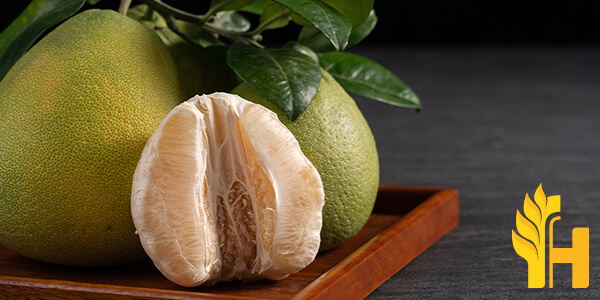
Where to buy and sell Pomelo, lowest (cheapest) and highest price.
check offers buy sell PomeloToday price for PomeloPomelo wholesale prices 2022
The Current commodity price of Pomelo per kg, pound in the world in the global markets
chinese pomelo 6 kg
pomelo red Spain pack 45
pomelo red Import package of 40-48
pomelo red South Africa pack 40 (40pcs)
pomelo red South Africa pack 40 (piece)
pomelo red South Africa pack 45 (45pcs)
pomelo red South Africa package of 45 (piece)
pomelo red Spain pack 40 (40pcs)
pomelo red Spain pack 45 (45pcs)
pomelo red Spain package of 45 (piece)
pomelo red U.E. package of 40-48
pomelo red South Africa pack 40 (40pcs)
pomelo red South Africa pack 45 (45pcs)
chinese pomelo 6 kg
pomelo red South Africa pack 40 (40pcs)
pomelo red South Africa pack 40 (piece)
pomelo red South Africa pack 45 (45pcs)
pomelo red South Africa package of 45 (piece)
pomelo red Spain pack 40 (40pcs)
pomelo red Spain pack 45 (45pcs)
pomelo red South Africa pack 45 (45pcs)
pomelo red Spain pack 45
pomelo red Spain package of 45 (piece)
pomelo red Import package of 40-48
pomelo red South Africa pack 40 (40pcs)
What is the Global Pomelo Fruit Market Outlook?
Pomelo (Citrus maxima) is the largest citrus fruit, prized for its sweet taste and thick rind. Native to Southeast Asia, it has long been cultivated in China, Thailand, Vietnam and other countries. Today, pomelo consumption and production are expanding globally as consumers discover its health benefits and unique flavor. The fruit is enjoyed fresh and in value-added products, and the pomelo market attracts interest from fruit traders and agricultural investors worldwide. This analysis covers developments up to 2025, focusing on production statistics, price trends, trade flows, and the future outlook of this market.
Global Production Trends and Major Producing Countries
Global pomelo production has grown significantly in recent decades. Today, the world produces on the order of 10–13 million metric tons of pomelos and related citrus annually, with most of this output concentrated in Asia. The Asia-Pacific region dominates the market: China alone accounts for roughly half of the global total, while Vietnam produces around one million tons per year. Pomelo cultivation is expanding in many tropical and subtropical countries, driven by strong domestic demand and export opportunities. Large-scale orchards now exist beyond Asia, including in parts of the Americas and Africa, reflecting the fruit’s rising popularity.
Over time, improved agronomy and expanding planted area have driven volume higher. In China, for example, pomelo orchards grew from a small fraction of citrus acreage in 2000 to nearly 100,000 hectares by the late 2010s. Vietnam’s government also supported pomelo farming, contributing to a rise in its cultivated area. In India, pomelo is still a niche fruit but interest is growing, particularly in humid southern and northeastern regions. Even in traditional citrus countries like Brazil and Mexico, farmers have begun experimenting with small pomelo plantings to diversify crops.
Yield Trends: Advances in fertilizers, irrigation, and disease-resistant rootstocks have steadily improved yields. Modern orchards in ideal conditions can yield 30–40 tonnes per hectare, and some are now achieving 40–45 tonnes in a good year. Continued R&D into better varieties and farming methods could push average yields higher. The result is a slow but steady volume growth which helps stabilize markets over time as supply becomes more predictable.
Asia-Pacific Region
The Asia-Pacific region remains the heart of the pomelo industry. China is by far the largest grower, with annual pomelo production (often reported together with grapefruit) exceeding 5.0 million tonnes. The warm, humid climate in provinces like Fujian, Guangdong, Guangxi, and Yunnan allows for high yields – farmers can harvest over 40 tonnes per hectare in good conditions. China’s national pomelo output topped 5.2 million tonnes in recent years. Vietnam is the second-largest producer, with output around 1.1 million tonnes. Other Asian producers include Thailand (about 270,000 tonnes per year), India (roughly 200,000 tonnes), and smaller but growing production in Indonesia and Malaysia (each around 100,000 tonnes).
Leading pomelo-producing countries (annual output):
- China: ~5.3 million tonnes
- Vietnam: ~1.1 million tonnes
- Thailand: ~270,000 tonnes
- India: ~200,000 tonnes
- Indonesia and Malaysia: each around 100,000 tonnes
Other Regions
Outside Asia, pomelo is grown on a smaller scale. In the Americas, Mexico is the largest producer (roughly 450,000 tonnes), supplying much of Latin America and the USA. The United States also grows pomelo commercially, especially in Florida and California; US production is similar to Mexico’s. In Africa, countries such as South Africa and Sudan have developed pomelo cultivation (over 300,000 and 270,000 tonnes respectively), often exporting fruit to Middle Eastern and European markets. In the Mediterranean, countries like Turkey (producing ~250,000 tonnes) and Israel (~130,000 tonnes) supply regional demand. Africa’s output beyond South Africa and Sudan is limited, with some production in countries like Morocco and Egypt, mainly for domestic use.
Overall, Asia-Pacific accounts for roughly 70–80% of total pomelo production, with China as the largest player. Global harvested area for pomelo and grapefruit is estimated at several hundred thousand hectares, and yields have increased thanks to improved varieties and farming techniques. The steady expansion of orchards in Asia, especially in China and Vietnam, has driven much of the growth in world pomelo production over the past few decades.
Historical Production and Price Analysis (1950–2025)
Global data on pomelo cultivation in the mid-20th century is sparse, but industry experts note that production was modest and largely confined to traditional growing areas. Over the last 70 years, pomelo output has grown dramatically. For example, China’s pomelo production surged from virtually nothing in the 1950s to over 5 million tonnes by 2020, driven by systematic orchard expansion. Similar growth occurred in other Asian countries in the late 20th century. This long-term trend was fueled by rising population and incomes, as well as improved farming technology.
Production Growth Since 1950
In 1950, global citrus production (mainly oranges and mandarins) was already sizeable, but pomelo and grapefruit were minor crops outside Asia. By the 1980s, commercial pomelo orchards had expanded in China and Southeast Asia. From 1990 to 2020, China’s pomelo output alone grew by more than fifty-fold, reflecting new plantings and high yields. Meanwhile, Vietnam, Thailand and other producers also steadily increased output. This was accompanied by a shift from smallholder gardens to more commercial orchards. Mechanization and commercialization took hold in the 1990s: more farms moved from backyard plots to commercial groves, often managed by cooperatives or agribusinesses. Large groves began using tractors for land preparation and hired labor for harvest. Improved roads and refrigerated trucks meant that fruits from remote groves could now reach city markets quickly.
Yield improvements and orchard management advances also boosted production. As older trees were replaced with better varieties and better nutrition, yields climbed. Government support in some countries, through subsidies or technical assistance, helped accelerate orchard planting. The global trend in area harvested shows a steady climb: FAO data suggest total citrus area (including pomelo/grapefruit) has roughly doubled since the 1960s, with pomelo’s share especially growing in Asia. Overall, world pomelo production rose from under 2 million tonnes in 1960 to over 10 million tonnes by 2020, a strong long-term increase.
Price Trends and Key Influences
Historical pricing for pomelo has varied widely and is less well-documented than for major fruits. In early years, limited supply and novelty kept prices relatively high. As production ramped up, prices generally fell. For example, China’s farm prices for popular varieties plunged from the equivalent of $2–3 per kilogram in the 2010s to well under $0.50/kg by 2022. In recent years, domestic oversupply in major producing countries has forced growers to accept very low margins. International prices also fluctuate seasonally: prices typically spike during key holidays (such as Chinese New Year) and drop in peak harvest months. For example, South African pomelos shipped to Europe in mid-winter often fetch higher prices than similar fruit harvested in summer, due to counter-seasonal demand.
Global events have impacted pomelo markets. The COVID-19 pandemic (2020–21) disrupted trade and raised shipping costs, temporarily reducing exports from Asia. Extreme weather is another factor: for example, Typhoon Dana in 2025 destroyed much of Taiwan’s crop, cutting output by over 50% and causing local price spikes. Conversely, bumper harvests (like Thailand’s large crop in 2023) have led to temporary market gluts and lower prices. Overall, long-term trends show moderate growth in volume, while nominal prices have tended to decline as supply expanded. Supply shocks (weather, pests) cause short-term volatility, but broader production increases have kept a cap on prices.
Seasonal Markets: Pomelo seasons vary globally. Most production in Asia peaks in late autumn, but Southern Hemisphere producers (like South Africa or Israel) harvest in the northern winter months. This creates complementary supply windows. As a result, off-season pomelos (those arriving when local fruit is out of season) often command a price premium in import markets. For instance, South African pomelos sold in Europe during January–February may reach 50–100% higher prices than domestic summer fruit.
Currency and Trade Policy: Exchange rates and tariffs also influence prices. For example, a stronger local currency makes pomelo exports more expensive abroad. Conversely, import duties can protect domestic growers (some countries have strict tariff quotas on citrus). Export incentives (or lack thereof) by governments can shift the cost structure. In countries where pomelo is strategic, subsidies for growers or export financing may keep prices lower than they would otherwise be.
Pomelo Price Dynamics and Market Drivers
Pomelo pricing is shaped by a complex mix of supply, demand, and external factors. Seasonality is a major element: most pomelos are harvested in late summer to early winter, with peak supply in autumn. Prices often dip during the main harvest; conversely, they can jump in the off-season or around major holidays. For example, Chinese New Year and other festivals typically see higher consumer demand (and thus higher prices) for pomelo due to cultural preferences for citrus gifts.
Weather and Climate: Extreme weather has a direct impact. Droughts, heatwaves or storms that damage fruit can sharply reduce supply, driving prices up. As mentioned, Typhoon Dana (2025) devastated Taiwan’s orchards, cutting harvest by over 50%. Similar events in other growing regions can cause price spikes. Conversely, unusually favorable conditions can lead to bumper crops and a glut of fruit, depressing prices. For instance, strong monsoon seasons in Thailand or China can flood markets with cheap pomelos.
Disease and Pests: Citrus greening (HLB) and other diseases affect pomelo trees just as they do other citrus. While pomelo varieties can be more tolerant than some oranges, outbreaks in orchards can reduce yields. Growers must invest in disease management, which raises production costs and ultimately influences market prices. Similarly, infestations by fruit flies or other pests can necessitate stricter quality controls, affecting available supply.
Costs and Logistics: The cost of production (land, labor, fertilizer) has risen over time, especially in rapidly developing economies. At the same time, global shipping costs have become a significant factor. For example, between 2020 and 2023 the cost of shipping a container of Chinese pomelos to Europe increased dramatically (over $10,000 per container). High freight costs have made some exports unprofitable, effectively reducing global supply and putting upward pressure on prices in import-dependent markets. The perishability of pomelo means cold chain handling (refrigerated containers, quick transit) is often required, further adding to costs.
Market Demand Trends: Consumer demand is another key driver. In recent years health-conscious marketing of pomelos (rich in vitamin C and antioxidants) has boosted appeal in some markets. Innovation in marketing – for example promoting pomelo juice or pomelo-based snacks – can strengthen demand. Conversely, competition from other fruits (like oranges, grapefruits, or even novel tropical fruits) can suppress pomelo prices if consumers shift preferences. Economic factors (purchasing power, currency fluctuations) also matter: in slower economic times consumers may opt for cheaper fruits, whereas in booming times demand for premium fruits like pomelo tends to rise.
In summary, pomelo prices fluctuate due to the interplay of these factors. In normal seasons, global prices change moderately, but exceptional events (weather, trade disruptions) can cause sharp ups or downs. Traders and investors must monitor harvest forecasts, weather patterns, and trade policies closely, as these will impact pomelo price cycles each year. In many ways, pomelo markets behave like other tropical fruits, but its seasonality and concentrated supply add unique dynamics.
International Trade: Exports and Imports
Pomelo is traded internationally in growing volumes, although its export market is still smaller than for other citrus fruits. Fresh pomelo exports in 2023 were on the order of US$0.8–0.9 billion, with imports slightly higher (around $0.85–0.9 billion) reflecting demand in major markets. Global exports have grown steadily in recent years, though year-to-year changes can occur due to weather or logistical factors.
Leading export countries include:
- China: the largest exporter, shipping pomelos (often alongside grapefruit) to nearby Asian markets and beyond. China’s exporters focus on early-season varieties and greenhouse-grown fruit.
- South Africa: a major Southern Hemisphere supplier, exporting to Europe, Russia, and the Middle East during its summer (Australian winter) season.
- Turkey: supplies Europe and Russia with citrus, including grapefruit-like pomelos, especially in autumn and winter.
- Vietnam, Thailand, and Israel: regional exporters, sending pomelos to neighbors and niche markets (for example, Vietnam exports to China, Thailand to Japan and Southeast Asian countries, and Israel to Europe and Asia).
On the import side, key markets are geographically diverse:
- Europe: The Netherlands and other EU countries import significant volumes. The Netherlands serves as a trading hub, forwarding fruit throughout Europe.
- Asia: China imports some pomelos when domestic supply dips; there is also growing demand in South Asian countries and East Asia for imported premium pomelos. Recently China itself began importing from Thailand during its off-season.
- Middle East and North Africa: Wealthy nations (e.g. UAE, Saudi Arabia, Morocco) import pomelos to satisfy demand in the off-season or for varieties not grown locally.
- Americas: The USA has opened its markets to Thai pomelos recently and also imports from Mexico. Latin American trade is limited, as Mexico both produces and exports within the region.
Historical trade data show shifts in market shares. For example, China’s role as an exporter increased notably in the 2010s, as domestic production exceeded local demand. By contrast, 10–20 years earlier, Chinese pomelo trade was minimal. Meanwhile, South Africa’s exports have grown steadily due to its favorable Southern Hemisphere season. Regional trade in Africa and South America remains limited, mainly due to transportation costs and local consumption taking priority.
EU and Regulatory Factors: The European Union is a key market for pomelo; entry to Europe requires meeting strict phytosanitary standards. For instance, EU importers have to ensure fruit is free from certain pests. Similarly, Japan and the USA maintain stringent clearance processes. Recent regulatory changes (such as Japan removing its pomelo import ban) have enabled new export flows. Meanwhile, some trade disputes (anti-dumping tariffs on certain citrus) could affect access.
Logistics and Shipping: The global trade in pomelo relies on efficient logistics. High freight costs can constrict exports from faraway producers. Perishability means air freight or refrigerated containers are often used, increasing costs. Global disruptions (like container shortages or pandemics) can temporarily cut off trade. For example, the COVID-19 pandemic caused labor shortages in ports and higher shipping rates, which squeezed profit margins for pomelo exporters. Seasonality also affects shipments: exporters from the Southern Hemisphere meet Northern Hemisphere winter demand, while Asian exporters supply at other times of year.
Applications and Industrial Uses
Pomelo is valued both as fresh produce and as an ingredient in various food and non-food products. The most common use is as a fresh fruit: pomelo segments are eaten raw or tossed into fruit salads and desserts, prized for their juicy and sweet flavor. Pomelo slices are also popular in Asian cuisine, often served with seafood or in sweet-and-sour dishes. In Western markets, pomelo is increasingly marketed as an exotic citrus snack or salad ingredient. Some high-end restaurants feature pomelo salads and cocktails to showcase the fruit’s novelty.
Food and Beverage: Pomelo is processed into juices, nectars, and soda flavors. Although pomelo juice comprises a small niche compared to orange or grapefruit juice, it appears in specialty juice blends and functional drinks. Some companies make pomelo jam or marmalade from the thick aromatic peel. Pomelo peel is high in pectin, allowing it to be candied or used as a gelling agent in jams and jellies. In Southeast Asia, local cuisines incorporate pomelo rind in pickles or chutneys.
- Fresh Consumption: Eaten raw or in salads; valued as a vitamin-rich snack.
- Beverages: Pomelo juice, mixers, craft sodas, and flavored alcoholic drinks.
- Processed Foods: Jams, marmalades, candied peels, and dessert toppings.
- Cosmetics and Nutraceuticals: The fruit’s high vitamin C content makes it an ingredient in health supplements and beauty products. Pomelo extract or oil is used in skin creams and hair products for its fragrance and antioxidant properties.
- Aromatherapy and Fragrance: Oils distilled from pomelo peel are used in perfumes, candles, and diffusers for a fresh citrus scent.
The food industry remains the largest application sector for pomelo. For instance, some companies are launching pomelo-flavored confectionery (chews, gummies) and dried pomelo chips. The cosmetics sector has also taken interest: pomelo essential oil (rich in limonene) is marketed as a natural ingredient in perfumes and skincare products. Moreover, traditional medicine in countries like China and Vietnam sometimes uses pomelo peel for its believed digestive and respiratory benefits.
Nutritional Profile: Pomelos are valued for their healthful nutrients. A single fruit can supply 100–400% of an adult’s daily vitamin C needs. Pomelos also contain beneficial compounds like potassium, B vitamins, dietary fiber, and plant antioxidants (flavonoids and limonoids) associated with health benefits. They are low in fat and calories, making them a popular choice for healthy diets. The wellness trend in consumer markets means pomelos are often promoted as a superfruit. Ongoing research explores potential health benefits such as supporting heart health or aiding digestion. These attributes add value to pomelo in consumer markets focused on wellness.
Culinary Innovations: Chefs and food companies are finding new ways to showcase pomelo. Its segments are used in gourmet salads and ceviches, pairing well with seafood or grilled meats. Chefs also use pomelo zest and juice in dressings or marinades. In drinks, pomelo flavors appear in craft beers, cocktails, and sparkling waters. Some restaurants in Asia now offer specialty pomelo desserts (e.g., pomelo mousse or sorbet). These novel uses help create markets beyond traditional fresh-fruit sales.
Byproduct Utilization: The thick pomelo peel (rind) has industrial uses. Dried peel powder is sometimes used in baking or as a natural flavoring. Pomelo peel oil contains high levels of d-limonene, which is a valuable industrial solvent and bio-based cleaning agent. Research is ongoing into using pomelo waste as raw material for bio-plastics or natural dyes, though these are not yet common commercial applications. The fruit’s pulp and peel can also be composted or processed into animal feed or biochar, improving sustainability and value-chain efficiency.
Factors Influencing Pomelo Prices
This topic overlaps with the price dynamics above: key factors affecting pomelo prices include weather (storms, droughts), pests and diseases (citrus greening), labor and input costs, logistics costs, currency fluctuations, and consumer demand changes. Seasonal supply shifts (due to harvest timing in each hemisphere) and festival demand patterns also play important roles. In general, increased production volume has tended to moderate prices over the long run, but short-term shocks can cause sharp price swings.
Opportunities and Challenges in the Pomelo Market
The pomelo market presents both potential gains and risks for stakeholders. On the opportunity side, growing health trends and rising incomes in developing countries are expanding demand. Pomelo’s high vitamin C and fiber content make it attractive to health-conscious consumers, opening new product development (e.g. fortified beverages and dietary supplements). Some regions with ideal climates but low current production (parts of India, Africa, and Latin America) represent untapped cultivation opportunities. If these areas increase planting, global supply and trade routes could diversify.
- Health and Wellness: The popularity of vitamin-rich fruits and immune-boosting foods provides a marketing advantage for pomelo. Nutraceutical companies may incorporate pomelo extract into products.
- New Trade Agreements: Market openings (e.g. US approval of Thai pomelo, Japan easing restrictions) give exporters access to lucrative markets, raising potential sales.
- Premium Products: Unique pomelo varieties and gourmet fruit segments (e.g. organic pomelos, heirloom varieties) can fetch higher prices in niche markets.
- Value-Added Products: Development of pomelo-based snacks, beverages, and cosmetics creates additional revenue streams beyond fresh fruit.
- Culinary Diversity: International culinary trends (fusion cuisine, cocktail mixology) provide new platforms for pomelo, as chefs and mixologists explore its unique flavor.
At the same time, several challenges loom:
- Price Volatility: As seen in major producing countries, oversupply can rapidly drive down farmgate prices. Producers risk losses if market prices fall below production costs.
- Plant Diseases: Citrus greening (HLB) and other illnesses can devastate orchards, as has happened in some regions. Maintaining healthy groves requires ongoing investment in management and resistant varieties.
- Climate Risks: Extreme weather (typhoons, drought) and long-term climate change threaten stable yields. Insurance and resilient farming practices are needed to mitigate these risks.
- Competition: Pomelo competes with other citrus (orange, grapefruit, mandarin) which have larger industries and economies of scale. Shifts in consumer preferences or more aggressive pricing by other fruits can reduce pomelo’s market share.
- Logistics and Costs: High shipping and energy costs squeeze profit margins. In some years, cheap imports or production delays (e.g. pandemic disruptions) have disrupted supply chains.
- Financing and Labor: Many pomelo growers are small farmers who may lack access to credit. Rising labor costs and shortages (harvest is labor-intensive) also pose challenges. Large investors must consider the long payback period for orchards (often 5–7 years to full production).
- Regulatory Risks: Changes in trade policies or currency can affect profitability. Unexpected sanctions or tariffs (for example on citrus exports) could suddenly block a key market.
Understanding these opportunities and challenges is crucial for investors and traders. Those who innovate with high-quality varieties, secure efficient supply chains, and manage risks proactively are better positioned to benefit from the growing global pomelo market.
Pomelo Varieties and Cultivation Technologies
Popular Pomelo Varieties
Pomelos come in several varieties, distinguished by flesh color and sweetness. Common types include:
- White Pomelo (Citrus maxima): Traditional variety with pale yellow or light green flesh. It has a mild, sweet-sour flavor and thick, pale rind. White pomelos are widely grown across Asia and have a subtle aroma.
- Honey Pomelo: A golden-skinned variety originally from Thailand. It is very sweet with minimal acidity, making it popular for fresh consumption. The peel is thick and often used for candying.
- Pink and Red-fleshed Pomelos: These include varieties like "Red Heart" or "Rubifudou" with deep pink to red interiors. They are visually appealing and tend to be sweeter than white pomelos. Thailand’s popular ruby-red "Siam Ruby" is one example.
- Chandler Pomelo: A hybrid variety developed in the USA (Florida). It has large fruit and pink flesh. Chandler is less common globally but valued in American markets for its quality and late season harvest.
- Shaddock: An older variety name, sometimes used for very large pale-fleshed pomelos, often grown in the Caribbean and some Asian groves.
- Others: Many local cultivars exist, such as Korean "Dangyuja" (a citron-pomelo hybrid) and regional Thai or Vietnamese heirlooms. Breeding programs continue to introduce new hybrids for better disease resistance, size, and flavor.
Cultivation Technologies
Modern pomelo farming employs several technologies to improve yield and quality. Key practices include:
- Grafting and Rootstocks: Pomelo scions are often grafted onto hardy rootstocks (for example, mandarin or pummelo seedlings) to enhance disease resistance and adaptability to soil conditions.
- Irrigation and Fertilization: Drip irrigation and fertigation are used in many orchards to optimize water and nutrient delivery. This ensures steady growth and higher productivity, even in regions with variable rainfall.
- Pest and Disease Management: Integrated Pest Management (IPM) and biological controls (such as releasing beneficial insects) help keep pests like fruit flies under control, while orchard sanitation and targeted sprays manage diseases.
- Greenhouses and Shade Nets: In cooler or very sunny regions, protective structures allow for extended growing seasons and reduced sunburn on fruit.
- Harvesting Technology: While much pomelo harvesting is still manual (due to fruit fragility), some larger operations use mechanical shakers or elevated picking platforms to speed up harvest during peak season.
- Post-Harvest Handling: After picking, pomelos are sorted by size and quality, then cooled. Cold storage and controlled-atmosphere packaging are used to preserve freshness during transport, especially for export markets.
- Breeding and Research: Scientists are developing new pomelo cultivars with traits like disease resistance and higher sugar content. Crosses between pomelo and grapefruit aim to combine size with flavor. Tissue culture propagation and clonal rootstocks help produce uniform orchards. Some new cultivars are proprietary (owned by breeders), which can limit free use by farmers but ensures consistent quality.
- Sustainability in Cultivation: Breeding work also focuses on more sustainable farming. For example, rootstocks that confer drought tolerance can reduce water usage. Some countries are experimenting with organic pomelo orchards (though yields are lower). Efforts to improve fruit shelf-life include developing varieties that resist internal browning or maintain firmness after harvest.
- Genetic Resources: Citrus gene banks in countries like China, Vietnam and the USA preserve heirloom pomelo strains. This genetic diversity is important for future breeding. Advances such as gene-editing (CRISPR) are on the horizon but not yet commercialized in citrus.
Future Outlook and Market Forecast
Analysts expect the global pomelo market to continue growing, though at a moderate pace. Industry estimates suggest the market size will expand at roughly a 4–5% annual rate over the next decade. For example, one forecast projects market value rising from around US$2.6 billion in 2022 to nearly $3.8 billion by 2030, supported by rising consumer interest in healthy fruits. As production continues to climb, by 2030 world pomelo output could exceed 15 million tonnes if current trends hold.
Regional forecasts remain bullish for Asia-Pacific, which should maintain the largest share of production and consumption. China and Vietnam are expected to remain growth drivers, with ongoing orchard expansion and yield improvements. Emerging markets like India, parts of Africa, and Latin America may contribute a growing share of demand.
On the demand side, pomelo is likely to see rising consumption as part of broader fruit intake. Trends toward natural and functional foods favor vitamin-rich fruits, which may boost pomelo’s profile. Innovations such as ready-to-eat segments and infusion of pomelo flavor into beverages could widen consumer appeal. Export opportunities may increase as more countries open their markets; for instance, new access for Thai pomelo to the US and Japan signals higher future trade volumes.
However, growth will hinge on overcoming challenges. Climate resilience, effective disease control, and efficient logistics will be critical. Markets will become more competitive as more producers enter the sector. Investment in cold chain infrastructure and digital agriculture (like precision farming and satellite yield monitoring) could help producers improve efficiency. Overall, the outlook for the global pomelo market is cautiously optimistic: healthy growth is expected, driven by health trends and emerging markets, but tempered by risks like weather volatility and cost pressures.
For example, one market analysis forecasts that grapefruit-like citrus (including pomelo) will grow to about 12 million tonnes by 2035, with a market value around $11.6 billion – implying a steady multi-year uptick. Based on available data, an annual growth of 1–2% in volume and slightly higher in value could be expected for the pomelo segment. This projection assumes normal harvests and steady demand.
Technology Impact: Future tech advances could change the forecast. For example, satellite imagery and AI can help growers optimize irrigation and harvest timing, boosting overall efficiency. Blockchain traceability initiatives (already used for other fruits) could give pomelo exporters an edge by proving quality and origin, potentially leading to premium prices. If such technologies reduce waste and improve market access, they could accelerate market growth.
Changing Consumption Patterns: As lifestyles evolve, consumer behavior will shape demand. Younger generations exposed to global cuisines might adopt pomelo as a regular fruit, not just a specialty. A world increasingly concerned with diet and nutrition may favor fruits like pomelo over sugary processed foods. These cultural shifts, while hard to predict, could significantly influence the pomelo market beyond pure supply factors.
Scenario Considerations: Market forecasts must consider alternate scenarios. For instance, a favorable decade (good weather, high investment) could push growth above expectations, whereas climate shocks could lower yields sharply. Likewise, a breakthrough in storage (like much longer shelf life) could reduce spoilage and increase trade. Changes in trade policy or currency values can also sway profits. A weaker dollar, for example, might make US imports cheaper and boost demand there.
Over the period 1950–2025, pomelo has shifted from a regional exotic fruit to a commodity of global interest. If current trends continue, by 2050 we could see pomelo production well over 20 million tonnes globally, with diversified sources and markets. The market value could also climb substantially if more premium products are developed and global per-capita fruit consumption rises. These outcomes depend on managing the aforementioned risks while capitalizing on health trends and trade opportunities.
Conclusion
The global pomelo market has evolved significantly in recent decades. Production and consumption have both grown, especially in Asia, while prices have generally moved downward due to rising yields. Major producing countries like China and Vietnam remain central to the market, but new entrants and producers are emerging. Trade continues to expand seasonally, with exporters and importers coordinating to meet off-season demand.
Looking ahead, the outlook is cautiously optimistic. Health and wellness trends support pomelo demand, and forecast models predict continued growth in production and trade. However, growers and investors must stay vigilant about the risks of disease, climate change, and market volatility. By focusing on improved cultivation technologies, diversified markets, and value-added products, the pomelo industry can strengthen its position globally. Overall, the pomelo fruit market offers both potential rewards and significant risks for stakeholders. Proper strategies can yield success in this niche citrus market. All told, the global pomelo market presents a balanced profile: robust long-term demand growth set against the realities of agricultural risk. Stakeholders who navigate these factors effectively stand to gain in this specialized global market. Market analysts will continue monitoring pomelo as an interesting niche commodity with global relevance.
- Production: ~13 million tonnes of pomelo/grapefruit worldwide (2023), led by China (~50%) and Vietnam, with Asia-Pacific producing ~80% of the total.
- Market Value: Approximately US$2.6 billion in 2022, with a forecast to reach near $3.8 billion by 2030 (CAGR ~5%).
- Prices: Seasonal and regional fluctuations are common. Peak prices can exceed $1/kg in some markets, while oversupply situations have seen farmgate prices dip below $0.30/kg in China.
- Trade: Global exports are growing steadily. Major exporters are China, South Africa, Turkey, and Thailand; main importers include EU countries, China, and Middle Eastern markets.
- Opportunities: Rising health awareness and new market access (e.g. US, Japan) support future demand. Emerging product lines (juices, snacks, cosmetics) add value.
- Risks: Plant diseases (HLB), extreme weather, and price crashes due to oversupply remain significant challenges. Efficient logistics and sustainability practices will be crucial going forward.
Overall, the pomelo fruit market is maturing but still evolving. Stakeholders who invest in efficient production and innovative marketing can capitalize on its unique niche in the global citrus sector.
- Long-Term Trends: The market is expected to grow as consumers seek nutritious fruits, but gains will depend on managing pests, climate and production costs. Pomelo is less mainstream than other citrus, so its niche market will reward careful investment and innovation.
- Consumer Trends: Demand for exotic and healthy fruits is rising worldwide. Pomelo, with its unique flavor and health profile, may benefit from this shift as part of diversified fruit diets.
Download our new
Husfarm App
Stay up to date with the current prieces of agricultural products all over the world.


Do you want to sell agricultural products?
Are you an Agricultural processor looking for high-quality products to buy?
Post an ad for FREE!