

Broccoli price
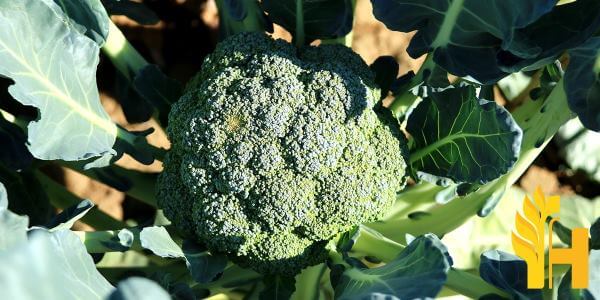
Where to buy and sell Broccoli, lowest (cheapest) and highest price.
check offers buy sell BroccoliToday price for BroccoliBroccoli wholesale prices 2022
The Current commodity price of Broccoli per kg, pound in the world in the global markets
broccoli France cat.I
broccoli purple sprouting broccoli (3kg box)
broccoli Spain cat.I
broccoli tender harvest cauliflower & broccoli frozen 1kg
Broccoli Class1, domestic db
broccoli France cat.I
broccoli purple sprouting broccoli (3kg box)
broccoli tender harvest cauliflower & broccoli frozen 1kg
broccolies
calabrese broccoli
iran broccoli 6 kg
spanish broccoli 6 kg
broccoli France cat.I
broccoli purple sprouting broccoli (3kg box)
broccoli tender harvest cauliflower & broccoli frozen 1kg
brokuł class I loose Aguascalientes
What is Broccoli and How Big is the Global Broccoli Market?
Broccoli is a green cruciferous vegetable known for its dense clusters of edible flower buds and high nutritional value. Originating in the Mediterranean, it has become a staple in diets worldwide. Beyond culinary popularity, broccoli has grown into an important agricultural commodity traded across the globe. The global broccoli market has expanded dramatically since the mid-20th century, evolving from a niche crop into a multi-million-ton industry. Production volumes hit record highs in recent years and international trade has flourished. This article examines broccoli’s worldwide production, price trends, trade flows, industrial uses, and key factors shaping its market from 1950 through 2025.
History of Broccoli Production and Global Spread (1950–2025)
Broccoli has a relatively recent history of widespread cultivation compared to some other staple vegetables. In the 1950s, broccoli was still a minor crop grown mostly in Italy (its country of origin) and in limited areas of North America. It gained prominence in the United States during the mid-20th century as consumer preferences shifted toward healthier foods, and by the 1960s and 1970s broccoli consumption was steadily rising. Advancements in refrigeration and transportation during this period enabled broccoli to be shipped further, extending its reach to new markets. As demand grew, production expanded into regions with suitable climates worldwide.
By the late 20th century, broccoli was being cultivated on a large scale in Asia, North America, and Europe. The global production of broccoli surged as countries like China and India began investing in vegetable farming to feed growing populations. In 1980, global output of broccoli (often grouped with cauliflower in agricultural statistics) was only a fraction of what it would become. Through the 1980s and 1990s, improved agricultural practices and high-yield hybrid varieties helped push production higher each year. Farmers around the world increasingly devoted acreage to broccoli thanks to its rising profitability and international demand.
Entering the 21st century, broccoli production reached unprecedented levels. Between 2000 and 2010, worldwide output grew rapidly, driven largely by Asia’s boom in vegetable farming. By 2019, global broccoli (and cauliflower) production hit an all-time high of approximately 25–26 million metric tons, reflecting several decades of continuous growth. Even in the 2010s, when the growth rate of production started to moderate, overall volumes kept climbing. The period from 1950 to 2025 thus saw broccoli transform from a relatively obscure vegetable to a globally mass-produced crop. What began as an Italian specialty has become a ubiquitous product available year-round in markets from North America to Asia.
Notably, the rise of broccoli’s popularity in Western diets during the 1980s and 1990s contributed to production booms in major growing areas. In the United States, for example, broccoli went from a relatively uncommon vegetable in the 1950s to a diet mainstay by the 1990s, prompting California growers to greatly increase planted acreage. Other countries also embraced broccoli cultivation as demand climbed. Japan and other developed nations began importing more broccoli, encouraging producing countries to scale up output. By the early 21st century, broccoli was firmly established as a global crop, with output in 2025 standing many times higher than in the mid-20th century. This historical growth trajectory sets the stage for understanding the current market dynamics of broccoli.
Leading Broccoli Producing Countries Worldwide
Today, a handful of countries dominate global broccoli production. China is by far the world’s largest producer of broccoli (often grouped with cauliflower in statistics), consistently accounting for a huge share of the total output. China’s broccoli industry has exploded in recent decades due to its vast agricultural land, favorable climates in certain regions, and high domestic demand. Similarly, India ranks as a top producer, nearly matching China’s output. Together, China and India contribute well over two-thirds of all broccoli produced globally each year. Much of their production supplies their own large populations, but these countries also play a role in regional exports.
The United States is a distant third in broccoli production. The U.S. produces roughly 4–5% of the world’s broccoli, primarily in the state of California which provides the majority of the American crop. U.S. production has remained significant but relatively stable, even seeing slight declines in recent years as domestic demand leveled off and competition from imports increased. Following the U.S., Mexico is another important producer. Mexico’s broccoli farms have expanded, especially in the central states like Guanajuato, and the country not only supplies its domestic market but also dedicates a large portion of production for export (particularly to the U.S. market).
In Europe, Spain stands out as the leading broccoli producer. The mild winter climate in parts of Spain (such as Murcia) allows for prolific broccoli farming, much of which is exported across Europe. Other notable producers in Europe include Italy, France, and the United Kingdom, though their volumes are smaller and often consumed domestically. Elsewhere, countries like Guatemala and Ecuador in Latin America have growing broccoli industries aimed largely at export markets. In Oceania, Australia grows broccoli mainly for internal consumption with modest export volumes. Meanwhile, African production of broccoli is relatively limited, with South Africa and Kenya producing small quantities for local markets and some export to nearby regions.
Overall, the concentration of broccoli production in a few key countries means that global supply is heavily influenced by the agricultural conditions and policies in those regions. For instance, weather events or farming decisions in China and India can significantly sway the total world output. Likewise, trends in the U.S., Mexico, and Spain have outsized effects on availability in North America and Europe. This geographic distribution of production is a crucial factor in how the broccoli market responds to changes in climate, demand, and trade dynamics.
Global Broccoli Price Trends Over the Decades
The price of broccoli has evolved markedly from the mid-20th century to today, reflecting changes in supply, demand, and market connectivity. In the 1950s and 1960s, broccoli was less commonly traded internationally, and its prices in many regions were relatively high due to limited supply outside local growing areas. As production expanded and distribution improved in the 1970s and 1980s, consumers began to see more stable availability and somewhat lower real prices. For example, as California increased its broccoli output and new exporters entered the market, the surge in supply helped temper what had been a premium price for this once-specialty vegetable.
Overall, the long-term trend from 1950 through the 2000s was a gradual decline in broccoli’s inflation-adjusted price, thanks to greater farming efficiency and volume. However, broccoli prices have never been completely steady; they are subject to seasonal fluctuations and occasional spikes. One notable pattern is seasonal price variation: broccoli tends to be cheaper when local harvests peak (for instance, during a region’s main growing season) and more expensive during off-season months when supplies rely on imports or greenhouse production. In the late 20th century, the expansion of global trade meant that when one region’s season ended, another region (perhaps in a different hemisphere) could supply markets, smoothing out some seasonal price swings.
Despite greater stability, short-term price spikes have occurred over the decades due to weather and supply disruptions. For example, in early 2017, an unusually cold winter in southern Europe sharply reduced Spanish broccoli yields, leading to a temporary shortage in European markets and a jump in prices at supermarkets in the UK and elsewhere. More recently, extreme weather events and supply chain issues in the 2020–2022 period (including heavy rains in some areas and pandemic-related transport bottlenecks) led to localized broccoli price surges. In Australia, for instance, poor harvests combined with high demand saw retail prices more than double at one point between 2024 and 2025. Such events demonstrate that while the global broccoli market is more interconnected than ever, it is still vulnerable to disruptions that can send prices climbing.
On a global scale, broccoli prices also differ by region. In major producing countries like China and India, domestic broccoli tends to be abundant and relatively affordable for consumers. By contrast, in nations that rely heavily on imports or have higher production costs, broccoli commands higher prices. As of the mid-2020s, wholesale broccoli prices ranged roughly from around $900–$1,000 per metric ton in surplus-producing regions to $1,500–$1,800 per ton in areas where it is imported or in shorter supply. These differences underscore how transportation costs, tariffs, and local supply impact broccoli pricing. Despite these variations, the overall global trend has been that broccoli became more affordable for consumers over the long run, even as it remains subject to periodic volatility.
Broccoli Consumption and Demand Trends
Global demand for broccoli has increased dramatically over the past several decades, driven by greater awareness of its health benefits and changing dietary habits. In the mid-20th century, broccoli was not a regular part of many cuisines outside of its native Italy and a few other countries. However, as nutritional science advanced and public health campaigns began promoting the consumption of fruits and vegetables, broccoli’s reputation as a superfood grew. This led to a surge in per capita consumption in many parts of the world. For example, in the United States, annual broccoli consumption per person climbed from well under one pound in the 1960s to several pounds by the 2000s. Similar trends occurred in Europe: countries like the United Kingdom and Spain saw broccoli become a common household vegetable by the 21st century, whereas it had been relatively uncommon before.
A key factor in rising demand is broccoli’s rich nutritional profile. Consumers appreciate that broccoli is high in vitamin C, vitamin K, fiber, and various antioxidants, yet low in calories. As more people worldwide prioritize healthy eating, broccoli often tops the list of recommended vegetables. Marketing efforts and recipes have also helped introduce broccoli into cuisines where it wasn’t traditionally used. In Asia, for instance, Western-style broccoli has gained popularity in urban centers alongside traditional local greens. While staples like cauliflower have long been familiar in South Asian cuisine, broccoli is now increasingly found in markets and restaurants there as well, reflecting globalization of tastes.
One striking case is Spain, where promotional campaigns by growers’ associations have successfully boosted domestic broccoli consumption by tenfold in roughly a decade (from around 0.2 kg to 2 kg per person). This indicates how effective education and marketing can rapidly change consumer behavior. Likewise, the global rise of vegetarian and vegan diets has contributed to broccoli’s demand, as people seek out nutritious plant-based ingredients. Broccoli’s versatility—usable in salads, stir-fries, steamed side dishes, soups, and even as a raw snack—also adds to its broad appeal across diverse culinary traditions.
Despite these positive trends, consumption levels still vary widely by region. People in North America and Europe generally eat far more broccoli per capita than those in many parts of Africa or the Middle East, where traditional diets haven’t incorporated broccoli as much. Economic factors play a role too: in some developing countries, broccoli is relatively expensive compared to local vegetables, which can limit its consumption to higher-income urban populations. Nonetheless, the overall trajectory is upward, with emerging markets showing growth in broccoli demand as awareness spreads. For producers and investors, this growing consumer appetite for broccoli underpins a strong market foundation and encourages the expansion of supply to meet future needs.
International Trade: Broccoli Export and Import Dynamics
The broccoli market has become increasingly globalized, with significant quantities of the crop moving across borders each year. Global trade in broccoli has grown alongside production, as countries with favorable growing conditions export to those with higher demand or out-of-season needs. Since the early 2000s, worldwide broccoli export volumes have roughly doubled, reaching well over one million tons annually by the 2020s. This expansion of trade is driven by year-round consumer demand and the economic opportunities for growers in export-oriented regions.
Spain and Mexico consistently rank among the top broccoli-exporting countries. Spain’s broccoli industry is highly export-focused, supplying much of Europe especially during the cooler months when production in northern Europe is limited. Mexico, on the other hand, has leveraged its climate and proximity to the United States to become a major supplier of fresh broccoli to the U.S. and Canadian markets. One of the largest trade flows in the world is Mexican broccoli shipped to the United States, a relationship that has grown as American demand outpaced domestic supply in certain seasons.
The United States itself is also a notable exporter of broccoli, mainly sending produce to neighboring Canada and some Asian markets. However, U.S. exports are smaller compared to Spain or Mexico, since much of the U.S. production is consumed domestically. Other exporters include countries like Guatemala, Italy, and China (the latter primarily exporting in processed or frozen form rather than fresh). China’s enormous production is mostly for domestic use, but it does ship some surplus and frozen broccoli to markets in Asia and beyond.
On the import side, the largest broccoli importers are typically countries with high consumption but insufficient year-round production. The United Kingdom has been one of the top importers, relying on Spain and other producers for a steady supply of broccoli in supermarkets. Similarly, Canada and the United States both import significant volumes (Canada from the U.S., and the U.S. from Mexico) to balance seasonal gaps. In Asia, wealthy economies such as Japan and South Korea import broccoli, including both fresh shipments and frozen produce, to meet their consumer demand when local production is not enough or not in season.
The value of broccoli trade has also risen substantially. From 2000 to 2020, the global export value of broccoli tripled, reflecting both higher volumes and increases in unit prices for premium quality and organic produce. By the mid-2020s, the international broccoli trade was valued at well over $1.5 billion per year. This robust trade network helps stabilize supply for consumers around the world, but it also means the market is interdependent – a production shortfall in one major exporting country can quickly lead to shortages and price impacts in faraway importing markets. Trade agreements, tariffs, and quality standards all play roles in how smoothly broccoli moves from farm to foreign plate, making the trade landscape an important aspect of the global broccoli market.
Industrial Processing and Uses of Broccoli
While most broccoli is sold fresh for direct consumption, there is a significant industrial side to the broccoli market. One of the primary uses of broccoli in processing is freezing. Individually quick frozen (IQF) broccoli florets and cuts are a staple product for the global frozen vegetable industry. These frozen broccoli products allow for longer storage and international distribution without spoilage, enabling consumers to enjoy broccoli year-round even if fresh supplies are off-season locally. Major broccoli-producing nations like China and Mexico have dedicated processing facilities to freeze and package broccoli for export. The frozen broccoli segment has been growing, fueled by demand from the food service sector and busy consumers seeking convenient, ready-to-cook ingredients.
Beyond freezing, broccoli also finds use in other processed forms. Food manufacturers produce broccoli soups, purees, and baby foods that incorporate broccoli as a key ingredient. Broccoli can be canned or jarred (often in combination with other vegetables) for sale in preserves or pickled products, though these are less common than frozen formats. In recent years, health food companies have also started drying and pulverizing broccoli to create broccoli powders and supplements. These powders can be used in smoothies or nutritional supplements to capitalize on broccoli’s healthful compounds like sulforaphane. The supplement and nutraceutical industry sees broccoli extracts as a source of antioxidants and cancer-preventive compounds, creating a niche market for processed broccoli ingredients.
The industrial uses of broccoli extend to the culinary and food service industries as well. Pre-cut fresh broccoli florets are packaged for restaurants and salad bars, saving labor in food preparation. Vacuum-sealed and modified-atmosphere packaging technologies are used to keep these products fresh for longer periods. Broccoli is also included in many prepared and frozen food items such as vegetable medley mixes, stir-fry kits, and microwaveable meals. In these cases, processing involves washing, cutting, and sometimes lightly blanching the broccoli before packaging.
In terms of waste and by-products, broccoli stalks and leaves (which are often not sold as part of the fresh florets) can be repurposed in various ways. Some food processors use broccoli stems in blended products like slaws or vegetable juices. There is also ongoing research into using broccoli by-products for animal feed or extracting natural colorants and phytochemicals for use in food additives. Such innovations aim to improve sustainability by ensuring that more of the broccoli plant is utilized rather than discarded. Overall, processing has become an important aspect of the broccoli business, adding value beyond the fresh produce aisle and expanding the reach of broccoli into new product categories and markets.
Key Factors Influencing Broccoli Prices
The price of broccoli in the market is determined by a complex interplay of supply and demand factors. Understanding these factors is crucial for traders and investors, as they directly impact market volatility and long-term price trends. Some of the key influences on broccoli prices include:
- Weather and Climate: Broccoli crops are highly sensitive to weather conditions. Droughts, excessive rain, heatwaves, or frosts in major growing regions can reduce yields and cause supply shortages. For instance, if a heatwave damages a large portion of China’s broccoli crop or heavy rains disrupt planting in Mexico, global supply tightens and prices often rise. Conversely, ideal weather leading to bumper harvests can create a glut, driving prices down.
- Seasonality: Broccoli is grown year-round through careful global scheduling, but individual regions have peak seasons. Prices tend to increase when a region is between production seasons and must rely on imports or greenhouse-grown broccoli. The transition between growing areas (such as from California’s season to Mexico’s season in North America) can lead to short-term supply dips and price fluctuations until the new harvest comes in.
- Production Costs: The cost of inputs like seeds, fertilizer, water, and labor significantly affects broccoli prices. Rising costs of labor or stricter labor regulations can push up farmgate prices, as broccoli harvesting and packing are labor-intensive. Similarly, higher fuel and transportation costs will increase the price by the time broccoli reaches wholesale markets, since it often travels long distances in refrigerated trucks or containers.
- Pest and Disease Pressure: Broccoli crops face threats from insects (such as the diamondback moth) and diseases (like clubroot or downy mildew). Severe pest infestations or disease outbreaks in a key region can sharply reduce output. Growers may need to invest more in pest control measures, which raises costs. If a disease forces a quarantine or destruction of crops in an area, the sudden loss of supply can cause prices to spike.
- Global Demand Shifts: Changes in consumer demand also affect prices. If suddenly a new dietary trend or health study boosts broccoli consumption (as happened when broccoli’s anti-cancer properties were publicized), demand can outpace supply, lifting prices. On the other hand, if consumers shift to alternative vegetables or if a major buyer (like a large restaurant chain) reduces use of broccoli in menus, demand could soften, putting downward pressure on prices.
- Trade Policies and Currency Rates: Tariffs, trade agreements, and exchange rates influence broccoli prices, especially in import-reliant countries. Import tariffs can make broccoli more expensive in the destination market. Likewise, if the currency of an exporting country weakens, its broccoli becomes cheaper for foreign buyers, which might lower global reference prices. Trade disruptions (such as border closures or port delays) can also tighten supply and elevate prices.
- Quality and Grade: Not all broccoli is priced equally. Premium grade broccoli (with certain size, color, and freshness standards) fetches higher prices, while lower-grade products go cheaper or to processing. In times of oversupply, quality becomes a bigger determinant of price (with subpar lots steeply discounted). In contrast, during shortage periods, even medium or lower grade broccoli can command high prices because buyers are desperate for any supply.
All these factors often interact. For example, an extreme weather event (climate factor) might coincide with peak off-season (seasonality) and an ongoing rise in demand, compounding the price effect. Conversely, a year with excellent weather in multiple producing regions, stable demand, and smooth trade logistics will generally result in moderate prices. Market participants keep a close watch on these variables to anticipate price movements and make informed decisions in the broccoli trade.
Opportunities in the Global Broccoli Market
The future of the broccoli market holds several promising opportunities for growers, exporters, and investors. These opportunities are driven by trends in consumer behavior, technology, and global economic shifts. Some of the most significant opportunities include:
- Health and Wellness Trends: The ongoing emphasis on healthy eating and wellness worldwide is a major boon for broccoli demand. As scientific research continues to highlight broccoli’s health benefits (such as its potential cancer-fighting properties and high nutrient content), more consumers incorporate it into their diets. This trend is likely to expand in emerging markets as well, meaning new customer bases will develop a taste for broccoli.
- Emerging Markets Growth: Markets in Asia, the Middle East, and Africa present growth potential as diets westernize and incomes rise. While per capita broccoli consumption in these regions is currently lower than in the West, there is room for rapid growth. For instance, urban populations in countries like China and India—despite already high production—are expected to consume even more broccoli as part of modern, health-conscious lifestyles. Other countries with growing middle classes, such as Brazil or Saudi Arabia, could see broccoli move from niche status to a common vegetable.
- Value-Added Products: The development of new broccoli-based products offers avenues for increased revenues. We are seeing more products like broccoli rice (a low-carb rice alternative made from finely chopped broccoli), broccoli snacks (dried or baked broccoli chips), and prepared meal kits featuring broccoli. These value-added products cater to convenience and specialty diets (like ketogenic or gluten-free diets), and they allow broccoli to reach consumers in novel forms beyond the produce aisle.
- Organic and Specialty Niches: There is a growing market segment willing to pay premium prices for organic broccoli and locally grown varieties. Organic broccoli farming, while more challenging, can fetch higher margins and cater to health-focused consumers. Similarly, specialty broccoli varieties (such as purple sprouting broccoli or broccolini) offer differentiation. These niche products can capture consumers looking for unique or gourmet ingredients, creating additional market space alongside traditional broccoli.
- Technological Innovation: Advances in agriculture technology present opportunities to improve yields and extend growing seasons. Breeding programs continue to develop broccoli strains that are more heat-tolerant or disease-resistant, which could open up production in warmer climates or reduce crop losses. Controlled environment agriculture, including hydroponics and greenhouse cultivation, is another frontier—these methods could allow broccoli to be grown in non-traditional areas (e.g., desert regions or urban indoor farms) more efficiently, ensuring supply even in adverse outdoor conditions. Embracing such technologies can give forward-looking producers a competitive edge.
In summary, the broccoli market’s growth potential is tied to global trends in health, diet, and innovation. Stakeholders who capitalize on these opportunities—whether by targeting new markets, offering differentiated products, or adopting cutting-edge cultivation techniques—stand to benefit from the continued worldwide rise in broccoli consumption. With the right strategies, the coming years could see the broccoli industry reach new heights in both volume and value.
Challenges and Threats Facing Broccoli Producers
Despite its many opportunities, the global broccoli market also faces significant challenges and risks. Producers must navigate these threats to sustain their businesses and keep supply steady. Key challenges include:
- Climate Change: Long-term shifts in climate pose a serious threat to broccoli cultivation. Hotter temperatures, changing rainfall patterns, and more frequent extreme weather events (droughts, floods, storms) can all negatively affect broccoli crops. Broccoli prefers cooler growing conditions; excessive heat can lead to poor head formation or bolting (premature flowering). As climates in traditional production areas become less predictable, growers may face reduced yields and need to invest in mitigation measures like shade structures or new irrigation systems. Climate change also expands the range of pests and diseases, compounding the challenge.
- Water Scarcity: Broccoli farming requires ample water, especially in arid regions like California or Spain’s Murcia region. Water shortages and competition for water use are growing concerns. In places where agriculture is constrained by drought or water regulations, broccoli growers may be forced to cut back planting or invest in expensive water-saving technologies. Water scarcity can increase production costs and limit output, potentially leading to higher prices and strained supply during dry seasons.
- Labor Dependence: Harvesting broccoli is labor-intensive because it must be cut by hand to avoid damaging the heads. Labor shortages or rising wages in agricultural sectors can significantly impact the broccoli supply chain. For example, stricter immigration policies or a declining farm labor workforce in the U.S. and Europe have made it challenging for growers to find enough workers at harvest time. Mechanization of broccoli harvesting remains elusive due to the plant’s structure and the need for careful handling, so producers are still heavily reliant on human labor.
- Pest and Disease Outbreaks: As mentioned, broccoli is vulnerable to certain pests (like aphids and moth larvae) and diseases. A severe outbreak can devastate crops in affected areas. Over-reliance on chemical pesticides can lead to resistance over time, making control harder. There is also the risk of quarantine measures – if a harmful pest or pathogen is detected in exported broccoli, importing countries might impose bans or strict inspections, disrupting trade. Keeping broccoli crops healthy is an ongoing battle that requires vigilant management.
- Market Saturation and Price Fluctuations: Ironically, one threat comes from the very success of broccoli’s popularity. If too many growers expand production at once (for example, in response to a period of high prices), the market can become oversupplied. A glut of broccoli leads to sharp price drops, which can hurt farmers’ incomes and even cause smaller producers to exit the market. These boom-bust cycles are a recurring risk in agricultural commodities. Producers and investors must be cautious not to overextend based on short-term trends, or they could contribute to an unsustainable oversupply.
- Regulatory and Trade Challenges: Broccoli producers also face evolving regulations. This includes stricter food safety standards (requiring investments in packing and processing facilities to ensure cleanliness and traceability), as well as trade policy risks. Exporters must keep an eye on tariff changes or import restrictions in key markets. For example, if a major importing country were to raise tariffs on vegetables or enforce new phytosanitary rules, it could hamper export opportunities. Additionally, logistical challenges such as port delays or lack of refrigerated shipping capacity can threaten the smooth delivery of broccoli to global markets.
Each of these challenges requires proactive strategies to manage. Adaptation efforts — from developing more resilient broccoli varieties to improving water efficiency and labor conditions — are underway in the industry. Growers, distributors, and policymakers will need to work together to mitigate these threats. How well the broccoli sector can address these challenges will play a big role in determining its long-term sustainability and profitability.
Broccoli Varieties and Farming Technologies
Broccoli comes in several varieties and has benefited from numerous agricultural technologies that improve its cultivation. Understanding the types of broccoli and the techniques used to grow them helps illuminate how producers achieve high yields and consistent quality. Below are the common varieties of broccoli and an overview of modern farming practices and technologies in broccoli cultivation:
Common Broccoli Varieties
- Calabrese Broccoli: This is the classic variety that most consumers recognize – a large green head atop a thick stalk. Named after Calabria in Italy, Calabrese is known for its single, dense head and is the most widely grown variety globally. It matures relatively quickly and thrives in temperate climates, making it the standard for commercial production.
- Sprouting Broccoli: Unlike Calabrese, sprouting broccoli (which includes varieties like purple sprouting broccoli) produces many smaller flower heads on a multitude of thin stalks. Sprouting broccoli is often cultivated for harvest in cooler months and is popular in some European markets. The purple sprouting type has vibrant purple florets that turn green when cooked and offers a different flavor and texture profile, appealing to niche consumer segments.
- Broccolini (Baby Broccoli): Broccolini is a hybrid cross between broccoli and Chinese kale (gai lan). It features long, tender stems and smaller florets, and has a sweeter taste than traditional broccoli. Developed in the late 20th century, broccolini (sometimes marketed under brand names like "tenderstem") has gained popularity in North America and Europe as a specialty vegetable. Farmers grow broccolini under similar conditions to broccoli, and it fetches a premium price in many markets.
- Chinese Broccoli: Also known as gai lan or kai-lan, Chinese broccoli is actually a different Brassica oleracea cultivar, characterized by glossy blue-green leaves and thick stems with small florets. It’s a staple in East Asian cuisines. While not "broccoli" in the Western sense, it shares a family relation and some production techniques. Chinese broccoli is predominantly grown in Asia and is increasingly available in Western markets catering to diverse culinary tastes.
Modern Cultivation Techniques
Farmers use a range of technologies and practices to maximize broccoli yield and quality. Key aspects of modern broccoli farming include:
- Hybrid Seeds: The use of F1 hybrid seeds is now standard in commercial broccoli farming. These hybrids are bred for desirable traits such as uniform head size, disease resistance, and fast growth. Continuous breeding efforts have produced varieties that can grow in different temperature ranges, allowing broccoli cultivation to expand into warmer or more marginal areas than before.
- Irrigation and Water Management: Efficient irrigation techniques, especially drip irrigation, are employed to ensure broccoli plants receive consistent moisture without water waste. Since broccoli needs plenty of water but is sensitive to waterlogged soil, farmers carefully manage irrigation timing. In regions prone to drought, advanced irrigation control and scheduling (sometimes aided by sensors and automation) help conserve water and improve yield.
- Pest and Disease Control: Modern integrated pest management (IPM) strategies are utilized to keep pests and diseases at bay. This includes regular field monitoring, biological controls (like introducing natural predators for common pests), and the judicious use of pesticides when necessary. Newer eco-friendly pest control methods, such as pheromone traps for moths or microbial sprays, have been adopted to reduce chemical residues on the crop.
- Mechanization and Tools: While broccoli harvest is still done by hand, many other stages have been mechanized. Tractor-driven implements prepare soil beds and assist in transplanting young broccoli seedlings. After harvest, machines quickly transport and pack broccoli in ice or cold containers directly in the field to preserve freshness. Vacuum cooling systems are often used shortly after harvest to rapidly remove field heat from broccoli, extending its shelf life for transport.
- Greenhouses and Controlled Environments: In some high-latitude or harsh climate regions, broccoli is grown in greenhouses or under protective covers to extend the growing season. While open-field production remains the norm due to cost, controlled environment agriculture is an emerging area. Techniques like hydroponics (growing plants in nutrient solutions without soil) have been tested for broccoli to potentially allow urban or off-season production, though such methods are not yet widespread for this crop.
- Post-Harvest Technology: Because broccoli is highly perishable, post-harvest technology is crucial. Cold chain logistics (refrigerated storage and transport) maintain quality from farm to market. Packaging innovations, such as perforated bags or modified atmosphere packaging, slow down respiration and keep broccoli fresh longer. These technologies allow broccoli to be shipped by sea over long distances (for example, from China to Middle Eastern markets) with minimal loss of quality, reducing reliance on more expensive air freight.
Together, the cultivation techniques and technology applications in broccoli farming have greatly improved productivity. From the breeding of better varieties to the fine-tuning of growing conditions and post-harvest handling, each step has been optimized over the years. These advancements help ensure that broccoli remains widely available and affordable, meeting the growing global demand despite the challenges discussed earlier.
Global Broccoli Market Outlook and Future Prospects
Looking ahead, the outlook for the global broccoli market remains broadly positive, albeit with some uncertainties. Market analysts project steady growth in both production and consumption of broccoli through the next decade. By some estimates, the global market (including both broccoli and cauliflower) could approach $35–40 billion in value by the early 2030s, reflecting increased demand in developing countries and stable growth in established markets. The compound annual growth rate for broccoli demand is expected to be in the mid-single digits, indicating a healthy expansion relative to many other agricultural commodities.
Several factors underpin this optimistic forecast. Demographically, a growing world population provides a baseline increase in vegetable demand. Urbanization and rising incomes, especially in Asia and Africa, mean more people can afford and access nutritionally rich vegetables like broccoli. Continued emphasis on health and wellness trends suggests that broccoli will maintain its popularity as a nutrient-dense food. Furthermore, as distribution networks improve, broccoli can reach farther-flung markets in good condition, potentially unlocking new areas of demand.
On the supply side, technological and agronomic improvements will likely continue to boost yields and reduce wastage. The expansion of cultivation into new regions (through better varieties and controlled environment farming) may reduce the risk of supply bottlenecks. For example, if climate change makes certain current growing areas less viable, other regions may pick up the slack using improved farming techniques. Investment in agriculture, spurred by strong market prices for broccoli in recent years, could also increase planted area in countries that see an opportunity to export or supply their own growing consumption.
However, the future is not without potential pitfalls. Producers will have to remain agile in the face of the challenges discussed: climate volatility, resource constraints, and market fluctuations. Mitigating these issues will require innovation and possibly supportive policies. For instance, development of heat-tolerant broccoli strains will be crucial if global temperatures rise, and international cooperation on trade can help ensure supply stability. Unexpected events (from global pandemics to geopolitical conflicts) could also temporarily disrupt the broccoli supply chain, as recent history has shown.
In conclusion, the global broccoli market’s prospects are strong, underlined by enduring consumer demand and the adaptability of the agricultural sector. While short-term ups and downs in price and supply are inevitable, the long-term trend points to more broccoli being grown, traded, and eaten around the world than ever before. For fruit and vegetable traders, agricultural investors, and farmers, broccoli is set to remain a significant and growing segment of the produce industry well into the future.
Download our new
Husfarm App
Stay up to date with the current prieces of agricultural products all over the world.


Do you want to sell agricultural products?
Are you an Agricultural processor looking for high-quality products to buy?
Post an ad for FREE!